
India’s push to build a domestic semiconductor manufacturing ecosystem
The article explores India’s ambitions to become a significant player in the global semiconductor industry, focusing on its strengths, limitations, and strategic choices. India is already a global powerhouse in chip design, with an estimated 20% of the world’s semiconductor engineers based in the country and major international chipmakers operating large design centres there. Companies such as Tejas Networks design complex telecom chips domestically but rely on overseas manufacturers for production.
This dependence was exposed during the Covid-19 pandemic, when global chip shortages disrupted industries worldwide. The crisis highlighted the risks of highly concentrated semiconductor manufacturing, particularly in East Asia, and prompted India to pursue greater self-reliance. According to government officials, the goal is not full independence overnight, but a more resilient and diversified semiconductor ecosystem.
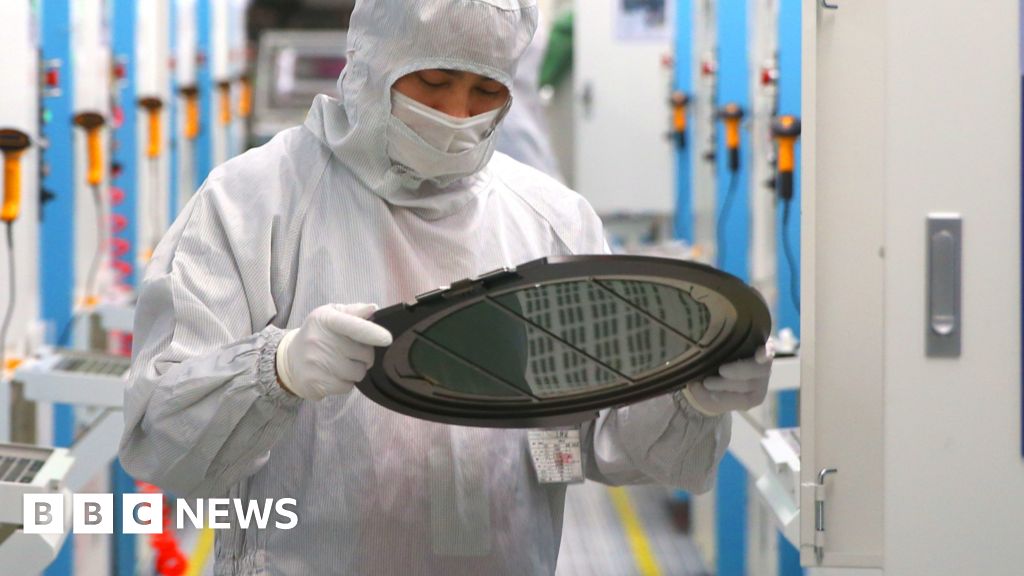
Rather than immediately attempting to build advanced fabrication plants, which require enormous investment and cutting-edge technology, India is focusing on the later stages of production: assembly, testing, and packaging, known as OSAT. These processes are less capital-intensive and offer a more achievable entry point. Several such facilities are expected to enter mass production, marking a tangible step forward.
Kaynes Semicon, founded in 2023, exemplifies this strategy. With government support, it has opened India’s first operational semiconductor assembly and testing plant in Gujarat. The company is producing chips for sectors such as automotive, telecoms, and defence—industries where reliability and scale matter more than bleeding-edge performance. Executives argue that building scale and serving domestic demand are essential before moving into more complex chip manufacturing.
The journey has not been easy. India faces significant challenges in training skilled workers, establishing strict manufacturing disciplines, and developing the necessary industrial culture. Industry leaders stress that experience cannot be rushed and that patient capital and long-term commitment are critical. While India’s semiconductor ambitions remain a long-term project, the foundations are now being laid for a meaningful domestic manufacturing base.