
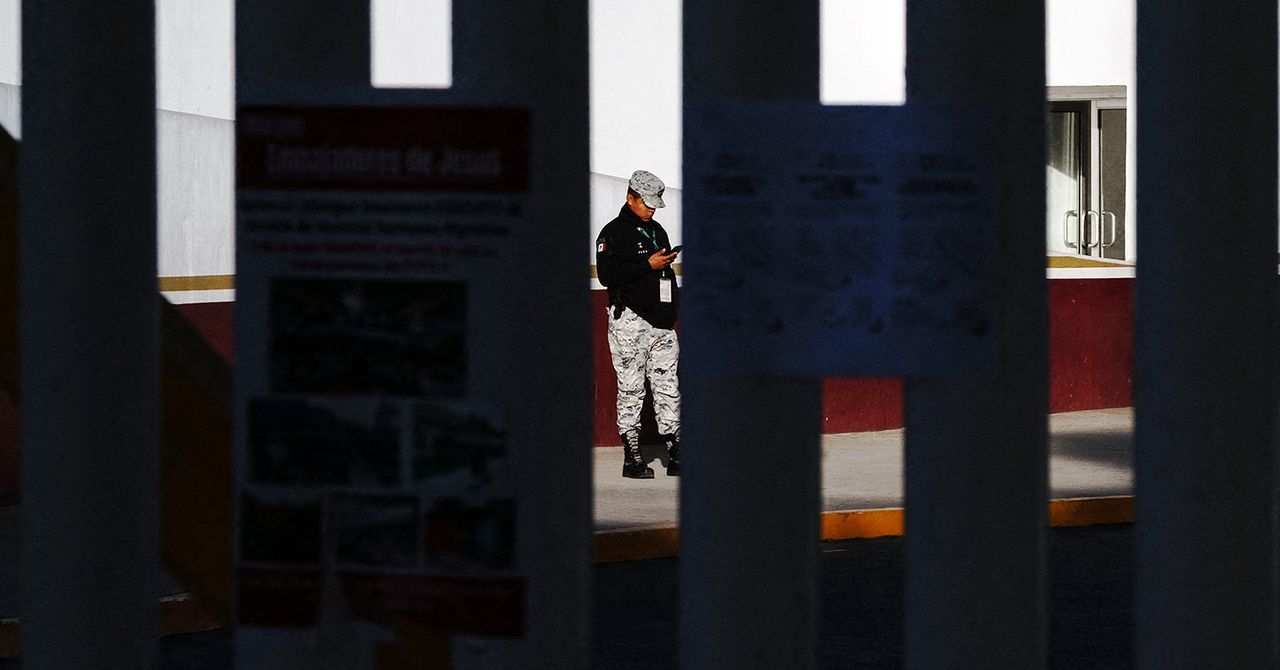
CBP Seeks Advanced Digital Forensics Tools for Analyzing Seized Devices at the Border
U.S. Customs and Border Protection (CBP) is looking for new tech tools to improve its ability to analyze data from devices seized at U.S. borders. The agency is particularly interested in tools that can extract hidden data from phones, laptops, and other devices, including analyzing text messages, photos, videos, and encrypted messaging apps. As part of this initiative, CBP is requesting proposals from tech companies for digital forensics tools with capabilities like detecting hidden languages in messages or identifying specific objects in videos. This is part of a broader effort to expand and modernize its digital forensics program, which has been in place since 2008, using tools like Cellebrite. Last year, CBP examined over 47,000 devices, a significant increase from past years. While the agency has faced some controversy, including accusations of detaining travelers based on political views, it maintains that its device searches are legal, with the authority to conduct such searches at the border without a warrant. The future contract with the chosen tech vendor is set to begin in 2026, as CBP continues its efforts to enhance its data extraction capabilities.