
China Implements Ban on Hidden Door Handles for Electric Vehicles Starting 2027 Due to Safety Risks
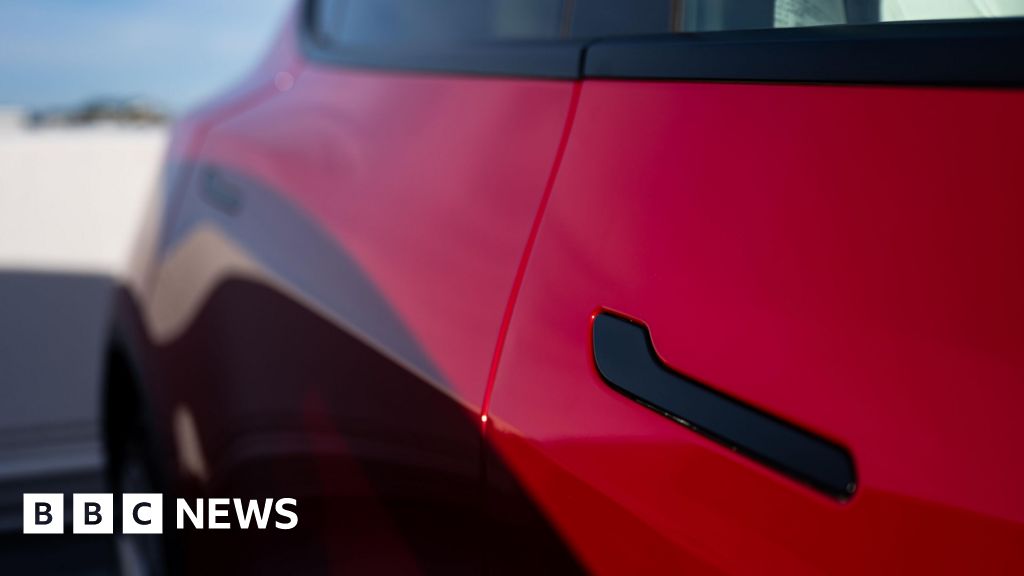
China has become the first country to prohibit hidden or flush door handles on electric vehicles (EVs) and other new energy vehicles, driven by growing safety concerns following several fatal incidents. The new regulations, issued by the Ministry of Industry and Information Technology, mandate that all passenger doors (except the trunk) must feature mechanical releases operable from both the interior and exterior. Externally, a recessed space of at least 6cm by 2cm by 2.5cm is required to allow manual access to the handle. Inside, clear signs measuring at least 1cm by 0.7cm must indicate the door-opening mechanism. These rules aim to ensure doors can be opened even during power failures or crashes, addressing issues seen in accidents involving models like Xiaomi EVs where electronic handles failed. The policy takes effect on January 1, 2027, with a two-year grace period for vehicles already approved and nearing market entry. Hidden handles, popularized by Tesla and adopted widely in China—appearing in about 60% of the top 100 best-selling new energy vehicles—are criticized for complicating emergency exits. While the ban applies only to the Chinese market, China’s dominance in the global EV industry is expected to influence international designs. Regulators in the US (via NHTSA probes into Tesla Model Y handles) and Europe are also scrutinizing similar features after reports of trapped occupants, including children, in malfunctioning vehicles.