
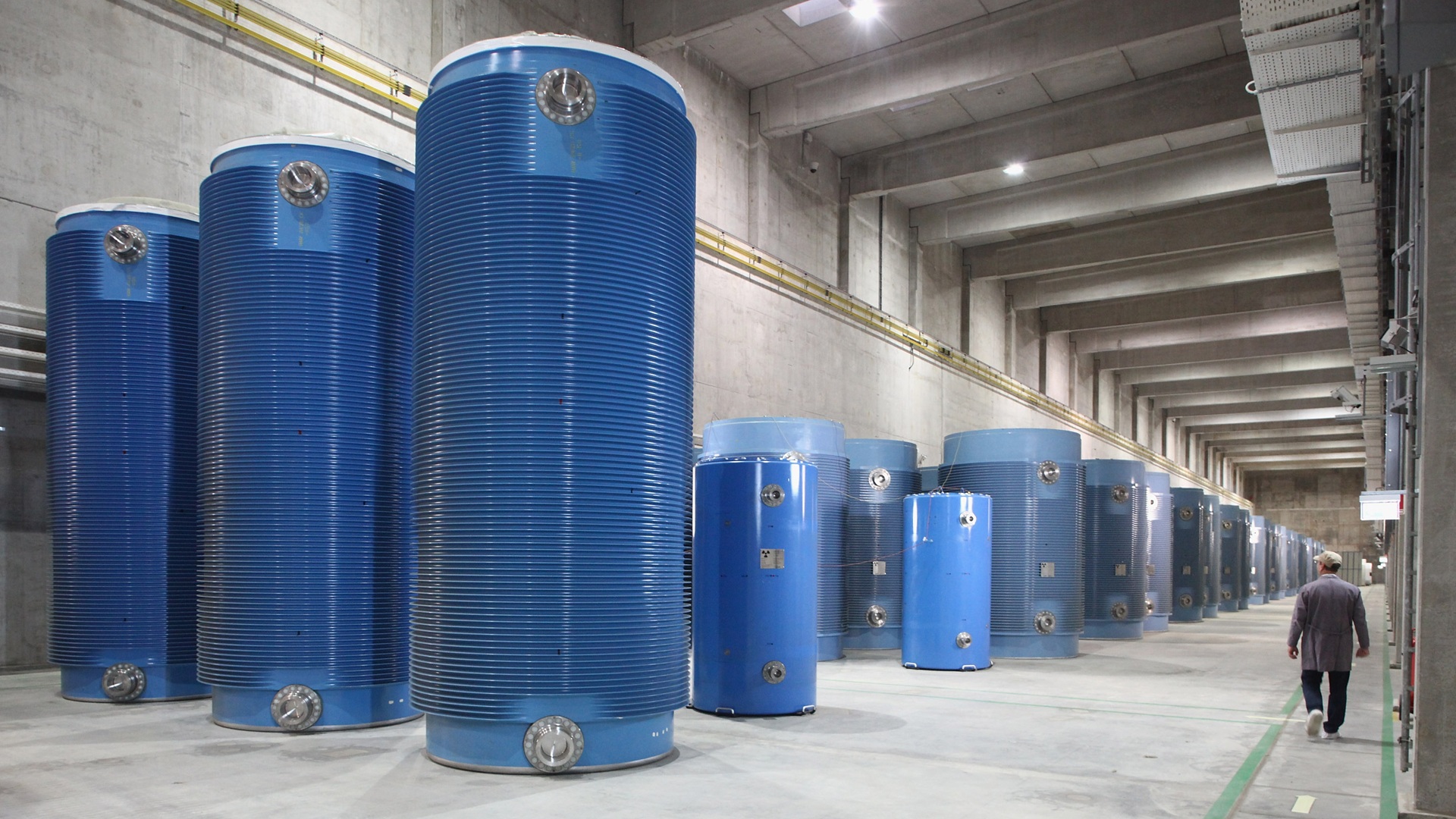
Real-Time Tracking System Aims to Reduce Costs of Nuclear Waste Recycling
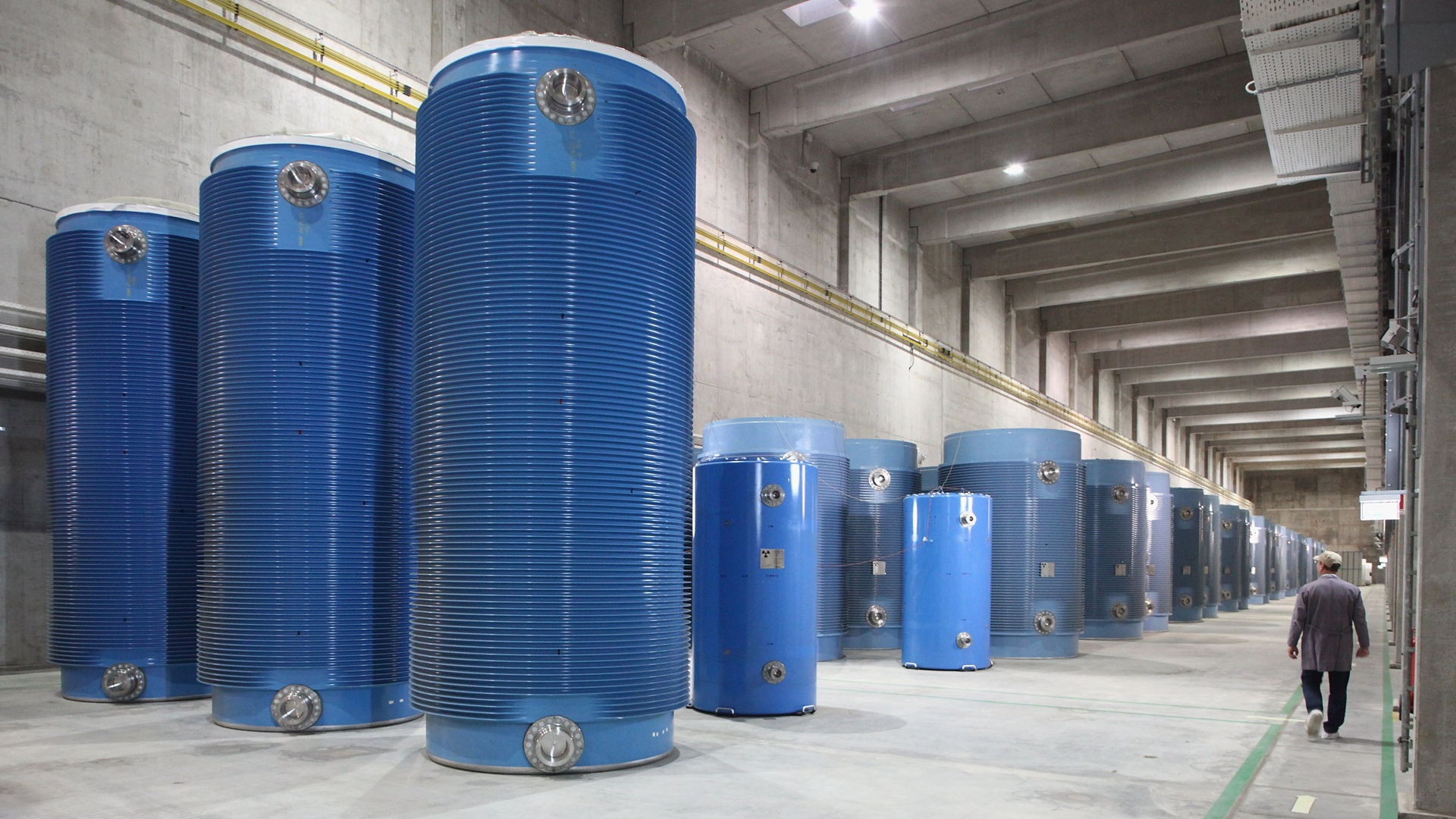 SHINE and GE Vernova are collaborating on a groundbreaking project to develop a real-time tracking system for nuclear waste recycling, addressing the U.S.’s 94,000-ton stockpile of spent nuclear fuel. The initiative, led by GE Vernova’s Advanced Research Center and funded by the Department of Energy’s ARPA-E program, focuses on integrating advanced sensors and material-tracking technology directly into recycling facilities. This system, called MAYER (Monochromatic Assays Yielding Enhanced Reliability), uses digital twins to continuously monitor nuclear materials as they move through processing stages, eliminating the need for costly manual checks and periodic shutdowns. By providing real-time data, the technology enhances operational efficiency, reduces downtime, and improves security by ensuring accurate inventory tracking. The project also supports SHINE’s REDUCE process, which recovers valuable materials like uranium and plutonium from spent fuel. If successful, this innovation could make large-scale nuclear recycling more economically viable while addressing safety and regulatory challenges. The system’s ability to track material quantities in real time is critical for compliance with U.S. Nuclear Regulatory Commission guidelines, potentially lowering security costs and streamlining operations at recycling facilities.