
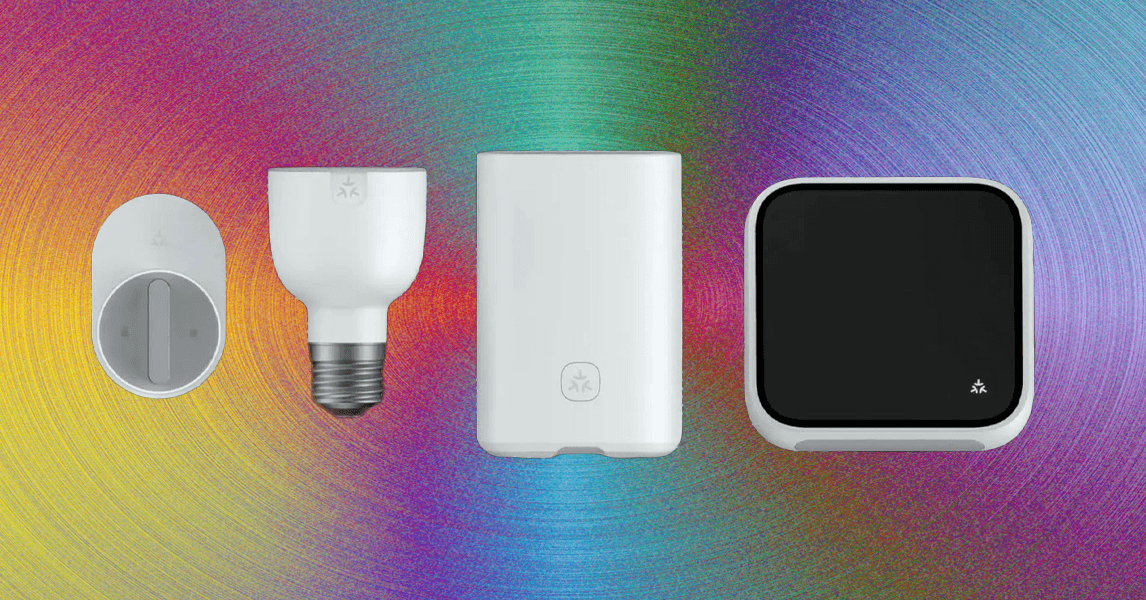
Matter Smart Home Standard: Features, Progress, and Device Support Explained
Matter is an open source smart home interoperability standard developed by the Connectivity Standards Alliance (formerly Zigbee Alliance), supported by major tech companies including Amazon, Apple, Google, and Samsung. Introduced in 2022 after delays, Matter aims to simplify smart home device integration by enabling compatibility across platforms and ecosystems, allowing users to control devices using their preferred voice assistant or app. It runs on Wi-Fi and Thread, using Bluetooth LE for setup, and prioritizes local network operation for better responsiveness and offline functionality. Over time, Matter has expanded support through versions 1.1 to 1.4.1, progressively adding compatibility for more device categories such as appliances, energy systems, and HVAC, while enhancing setup processes with QR codes and NFC. Despite its promise, adoption by major platforms remains slow and limited in functionality, as companies often retain proprietary features. Not all existing devices are compatible, and while hubs can bridge legacy systems, full Matter benefits may require new hardware. Security is a key design element, and the Matter SDK is royalty-free for developers. As of now, the standard still lacks support for some devices like security cameras, and its success hinges on broader manufacturer commitment and feature implementation.