
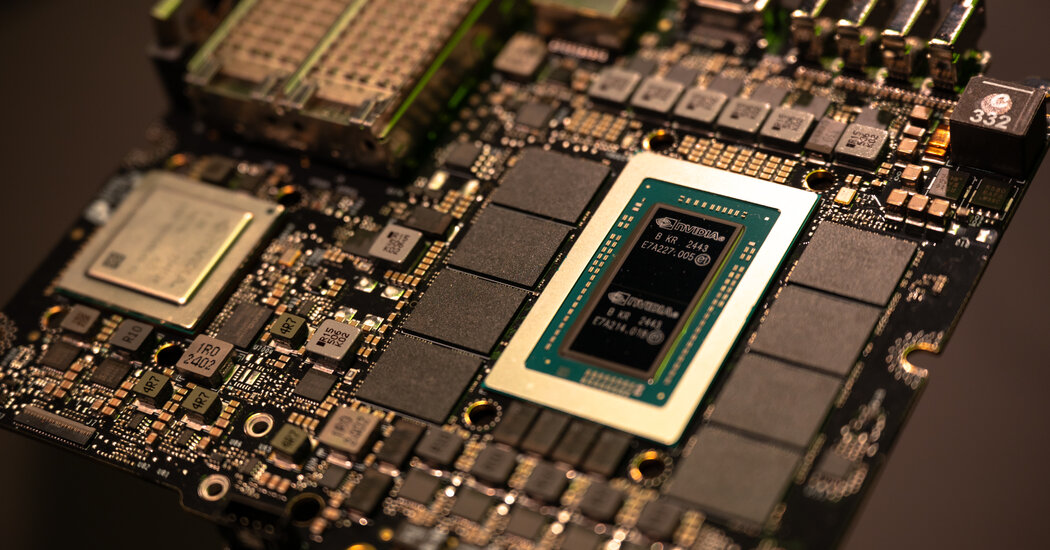
U.S. Imposes New Export Limits on Nvidia’s AI Chips Destined for China
On April 15, 2025, Nvidia announced that the U.S. government has tightened restrictions on its sales of artificial intelligence chips to China, now requiring licenses for future transactions. This policy shift marks the first significant move by the Trump administration to limit semiconductor exports abroad, extending measures introduced under President Biden in 2022. Back then, Nvidia had adapted by creating the H20 chip, a modified version of its high-performance H100 chip, to comply with export control thresholds.
However, the latest rules render these adaptations insufficient. Nvidia now faces a $5.5 billion charge in the current quarter due to unsellable H20 chip inventory, unfulfilled purchase agreements, and reserve losses. While this hit is substantial, analysts argue it is more strategic than financial, as it effectively cuts Nvidia off from a key growth market. With the U.S. aiming to curb China’s access to advanced semiconductor technology, Nvidia risks ceding market ground to local competitor Huawei. Analysts warn this could bolster Huawei’s global competitiveness in the AI chip sector.
The development highlights increasing tech tensions between the U.S. and China and underscores the geopolitical complexity of global chip supply chains.