
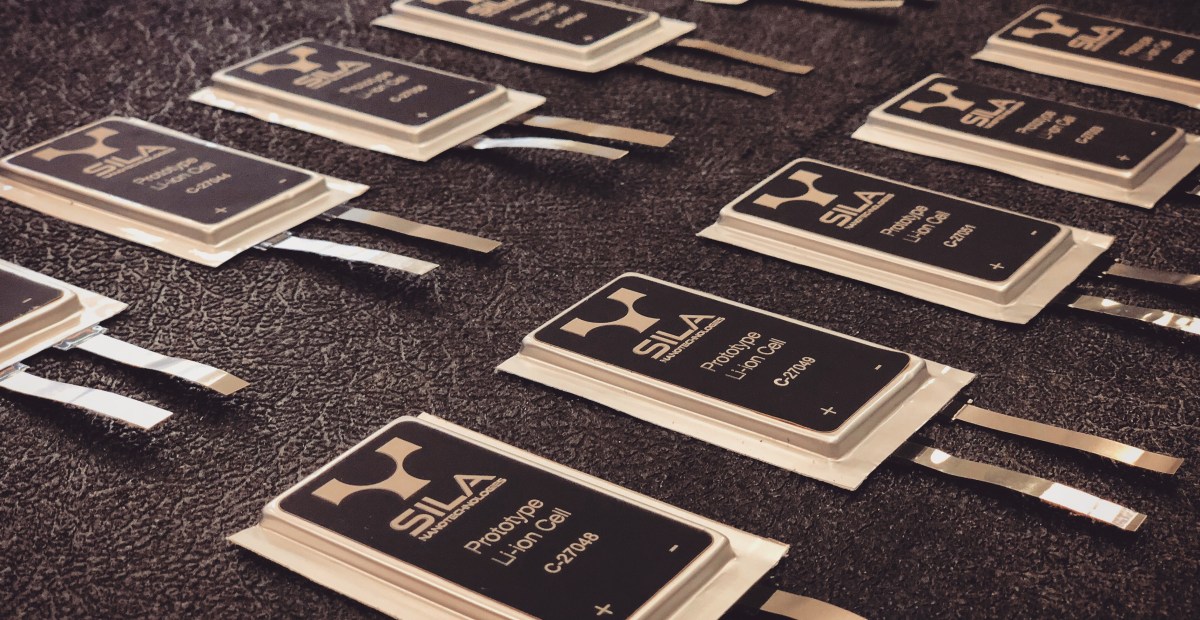
Silicon-Carbon Batteries: A Leap Toward Thinner Phones with Longer Battery Life
Silicon-carbon batteries are becoming a game-changer in the smartphone industry, enabling thinner phones with significantly better battery life. While companies like Honor, Oppo, Huawei, Xiaomi, and OnePlus have already adopted this technology, US-based companies like Apple, Samsung, and Google are still hesitant. These batteries replace part of the graphite anode with silicon, which offers a much higher energy density. The result is batteries that can pack more power into the same size or smaller cells, as seen in models like the Honor Power with an 8,000mAh battery. However, the downside of silicon-carbon batteries is their longevity, as the silicon anodes expand and contract during charging, potentially shortening battery life. EU regulations also put pressure on manufacturers to ensure batteries retain 80% of their capacity after 800 charging cycles, an area of concern for major US tech giants. Additionally, the logistics of shipping larger batteries and cost factors make it challenging for companies to adopt this technology on a global scale. Despite these concerns, the potential for more efficient and longer-lasting batteries is clear, and manufacturers are experimenting with increasing the silicon content in their batteries. In the future, we can expect phones with much larger batteries, including those surpassing 10,000mAh, while still maintaining slim profiles. The question remains: when will the US tech giants take the plunge into silicon-carbon technology?