
Samsung Galaxy Ring Review: Strong Design and Ecosystem Integration but Limited Health Insights
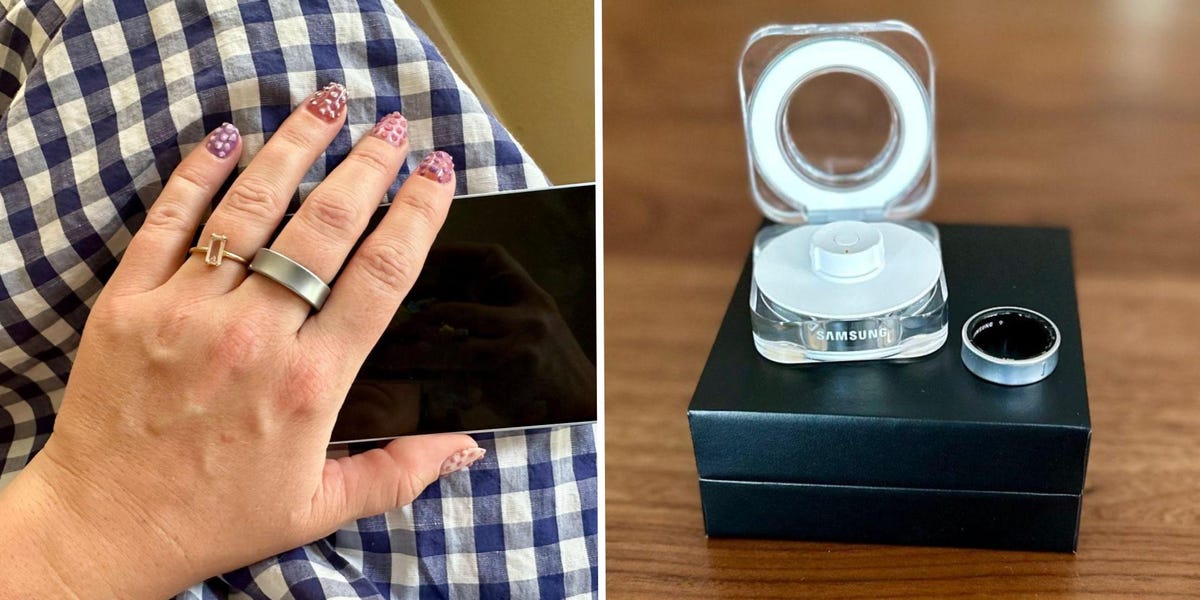
Samsung entered the smart ring market in April 2024 with the launch of the Galaxy Ring, marking its first attempt to compete with established players like Oura and Ultrahuman. Designed from titanium, the Galaxy Ring stands out for being slimmer than most rivals, measuring only 7.0mm wide, and is available in multiple finishes and sizes. It offers up to seven days of battery life and includes an innovative charging case that doubles as portable storage and provides extra power on the go. Unlike Oura, Samsung does not charge a subscription fee, making its $400 price tag somewhat more appealing. The Galaxy Ring integrates smoothly with Samsung phones and Galaxy Watches, offering special perks like gesture controls for taking photos or silencing alarms. Its comfort and durability make it easy to wear continuously without irritation. However, the device shows clear weaknesses compared to competitors. It only auto-detects walking and running, overlooking many activities such as strength training, yoga, or cycling. This leads to inaccurate calorie and activity tracking unless workouts are manually added. Health insights are also relatively shallow: the app provides basic energy scores and summaries but lacks advanced analytics like readiness scores, illness detection, or detailed heart rate variability trends that Oura and Garmin devices deliver. The dual-app setup between Samsung Health and Wear is considered confusing, and there is no AI assistant for personalized recommendations. While the Galaxy Ring works well as a complement to the Galaxy Watch, it falls short as a standalone health tracker. Overall, it is a stylish and functional entry-level smart ring but not yet competitive with more mature alternatives.