
Researchers Develop Method to Simulate Fault-Tolerant Quantum Computing
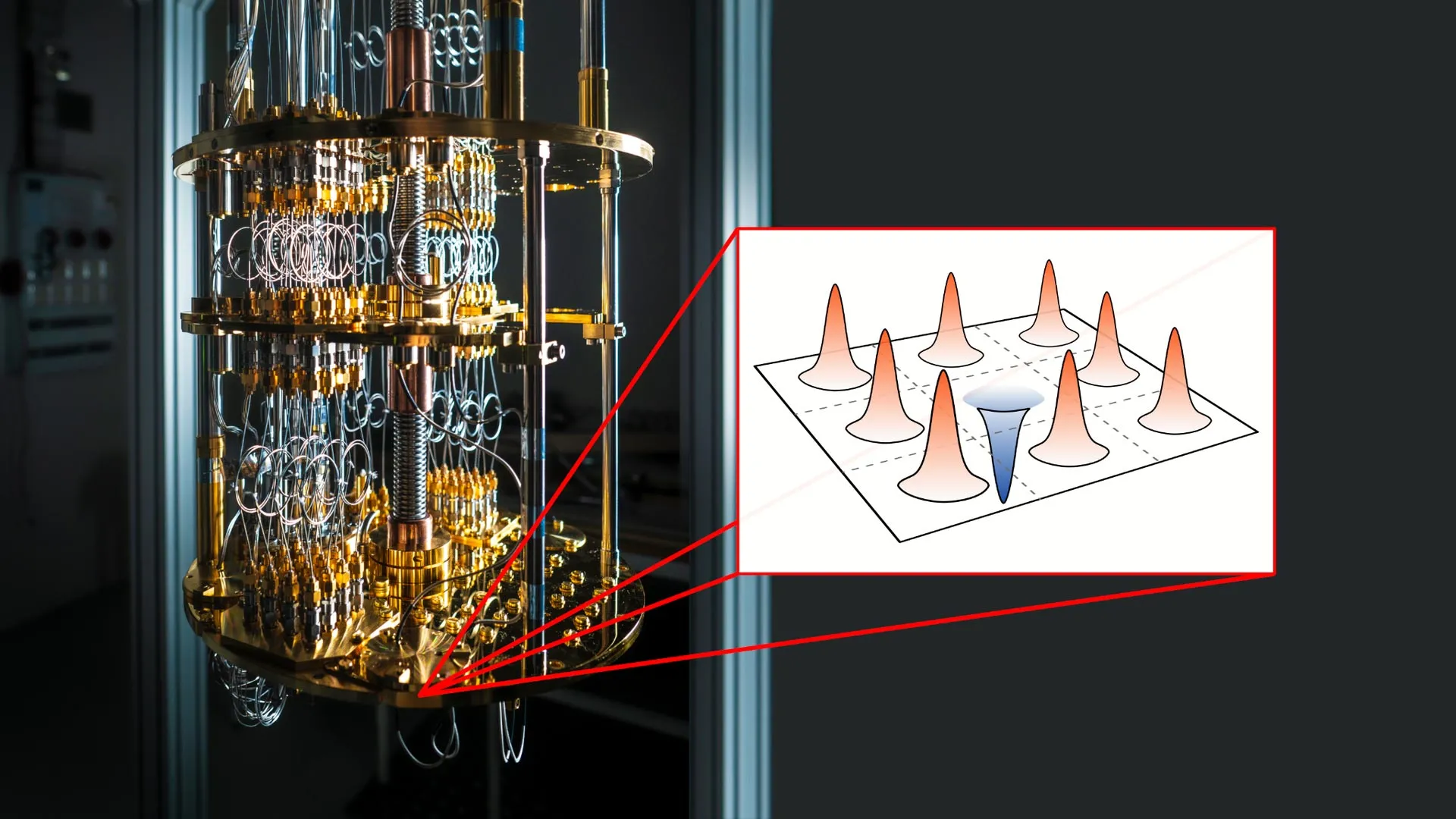
Quantum computing is advancing rapidly, but one of its major challenges has been the ability to simulate error-corrected quantum computations. A multinational team of researchers from Chalmers University of Technology in Sweden, the University of Milan, the University of Granada, and the University of Tokyo have now solved a long-standing issue by developing an algorithm capable of simulating quantum computations using a fault-tolerant code known as the Gottesman-Kitaev-Preskill (GKP) code. This breakthrough is significant because previous attempts to simulate such quantum computations had been nearly impossible. The key challenge in quantum computing is that qubits—the basic units of quantum information—are highly sensitive to disturbances. Even the smallest noise can lead to errors that are difficult to detect and correct. Traditional error correction codes can help manage this, but simulating these corrections has been too complex for classical computers. The GKP code stores quantum information in a way that allows quantum computers to correct errors more effectively. Now, thanks to this new method, researchers can simulate quantum computations with greater accuracy, helping pave the way for the development of more reliable quantum computers. This research is a major step toward the eventual realization of scalable, fault-tolerant quantum systems, which could revolutionize fields like medicine, encryption, and AI.