
Automakers Reconsider Ambitious EV Projects as Market Faces Challenges
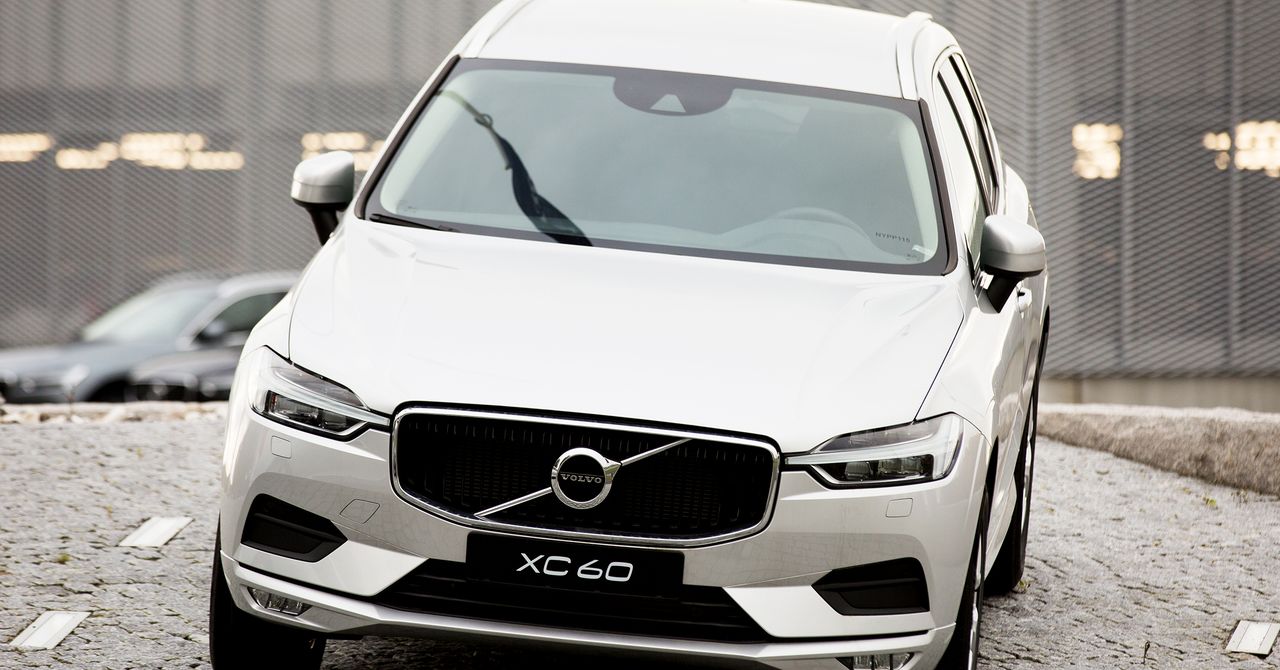
The global electric vehicle market is in turmoil, as major automakers including Ford, Honda, and Nissan scale back or cancel their ambitious electric vehicle projects. Despite initial pledges to go fully electric by 2030 or 2035, manufacturers are adjusting their strategies due to several factors. A mix of economic policy shifts, supply chain disruptions, and a sudden slowdown in EV sales growth has led automakers to rethink their plans. The Covid-19 pandemic disrupted supply chains, and new US government tariffs have impacted global production. As a result, many automakers are delaying or completely scrapping electric vehicle models. Ford’s planned three-row electric SUV and Honda’s new EV series are among the casualties. Other manufacturers, such as Mercedes-Benz, Volvo, and Maserati, have pulled back from ambitious EV plans. In some cases, manufacturers are focusing on hybrid models or entirely new vehicle types instead. These cancellations are signs that companies are adjusting to a market that is more unpredictable than they initially anticipated. With Chinese automakers growing rapidly in the EV sector, traditional manufacturers are trying to keep pace by making quicker, more agile adjustments to their vehicle lineups. However, despite the setbacks, the transition to electric vehicles continues, and more changes are likely to come in the future.