
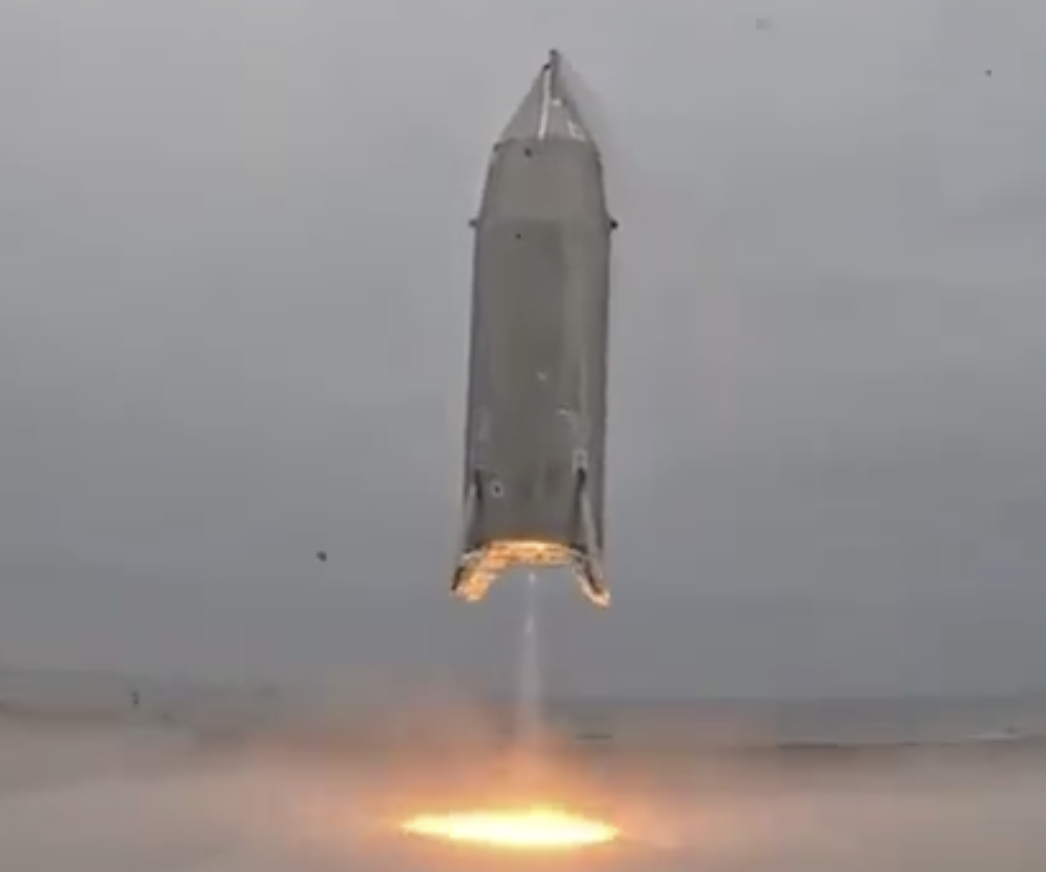
Japan’s RV-X Prototype Successfully Completes First Test Flight
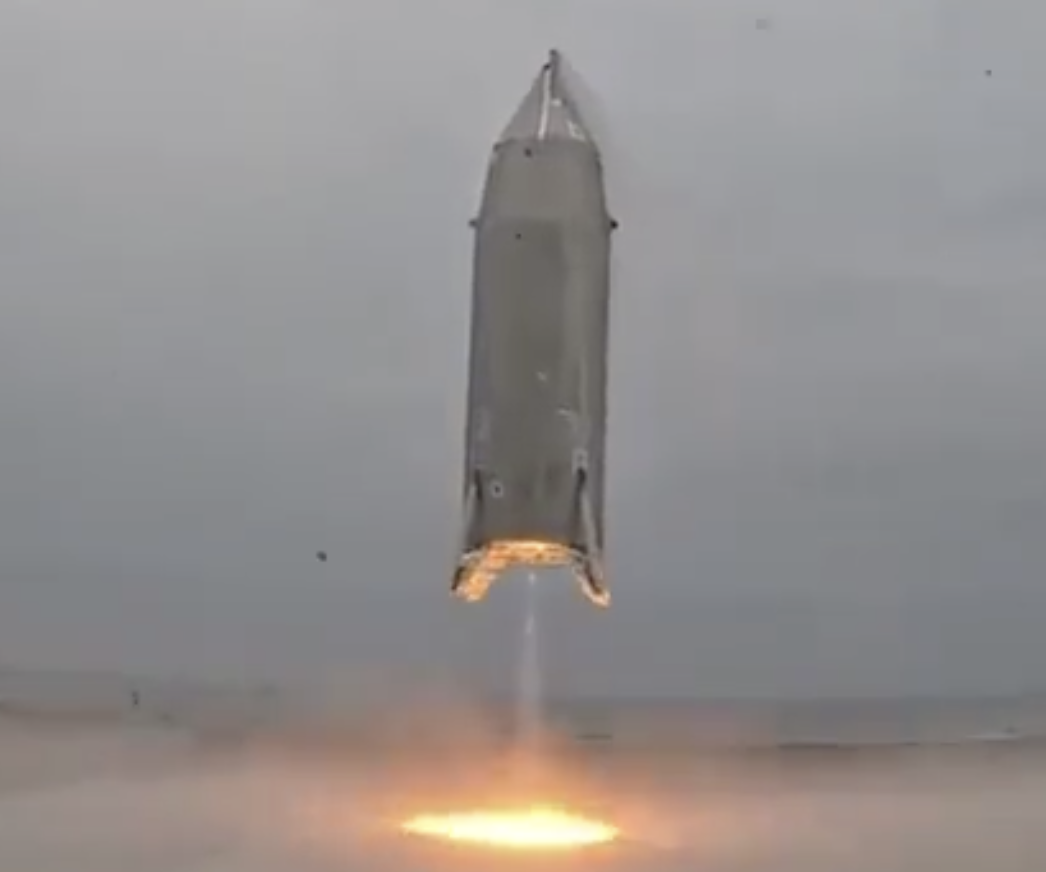 On July 11, 2026, Japan’s JAXA space agency and Mitsubishi Heavy Industries (MHI) successfully tested the RV-X prototype, a vertical takeoff and landing (VTVL) vehicle. The 7.3-meter-long, 3.1-ton spacecraft achieved a 11-meter altitude jump, 16-meter horizontal movement, and a 40-second flight duration, demonstrating propulsion and guidance systems. Developed over a decade, the RV-X uses liquid hydrogen and oxygen as propellants, with a reusable engine capable of 41 kilonewton thrust and 320 seconds specific impulse. While smaller than initial plans, JAXA aims for higher jumps, targeting 100 meters. The test highlights Japan’s progress in reusable rocket technology, though it lags behind China’s advancements, which have seen over eight VTVL prototypes. The RV-X is a stepping stone toward the CALLISTO project, a joint JAXA-DLR-CNES initiative for reusable orbital stages. Despite delays, the test underscores Japan’s continued focus on space innovation, even as Europe and China accelerate their own reusable rocket programs.