
Companies Explore Space-Based Data Centres to Meet Growing Global Demand
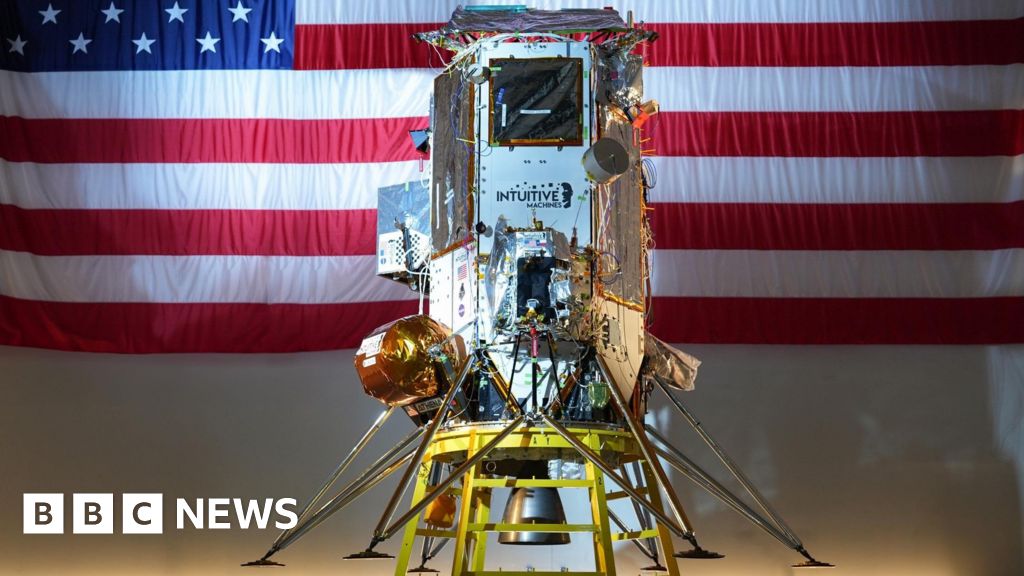
As global demand for data storage and processing grows, companies like Lonestar Data Holdings and Starcloud are exploring the possibility of building data centres in space and even on the Moon. Lonestar recently tested a small data centre on the Moon via the Athena Lunar Lander, launched by SpaceX. The main advantages include enhanced security, access to unlimited solar energy, and reduced environmental impact compared to Earth-based centres. Space-based data centres are also seen as a solution to increasing resistance from local communities to large data centre construction due to high energy and water use.
The European Commission-backed Ascend project determined that such facilities could be eco-friendly and transform the European digital landscape. However, challenges include high launch costs, complex cooling in zero gravity, and vulnerability to space weather and debris. Experts remain skeptical, pointing out the enormous technical and financial obstacles to large-scale implementation. Despite this, companies remain optimistic, citing rising customer interest and regulatory advantages in data sovereignty.
Starcloud plans to begin operations by mid-2026, while Lonestar targets lunar orbit for its next deployment in 2027. Although still in early stages, the race to space-based data centres highlights the tech sector’s innovative approach to addressing its growing infrastructure needs.