
The Rise and Fall of TRON: From Desktop Ambitions to Embedded Success
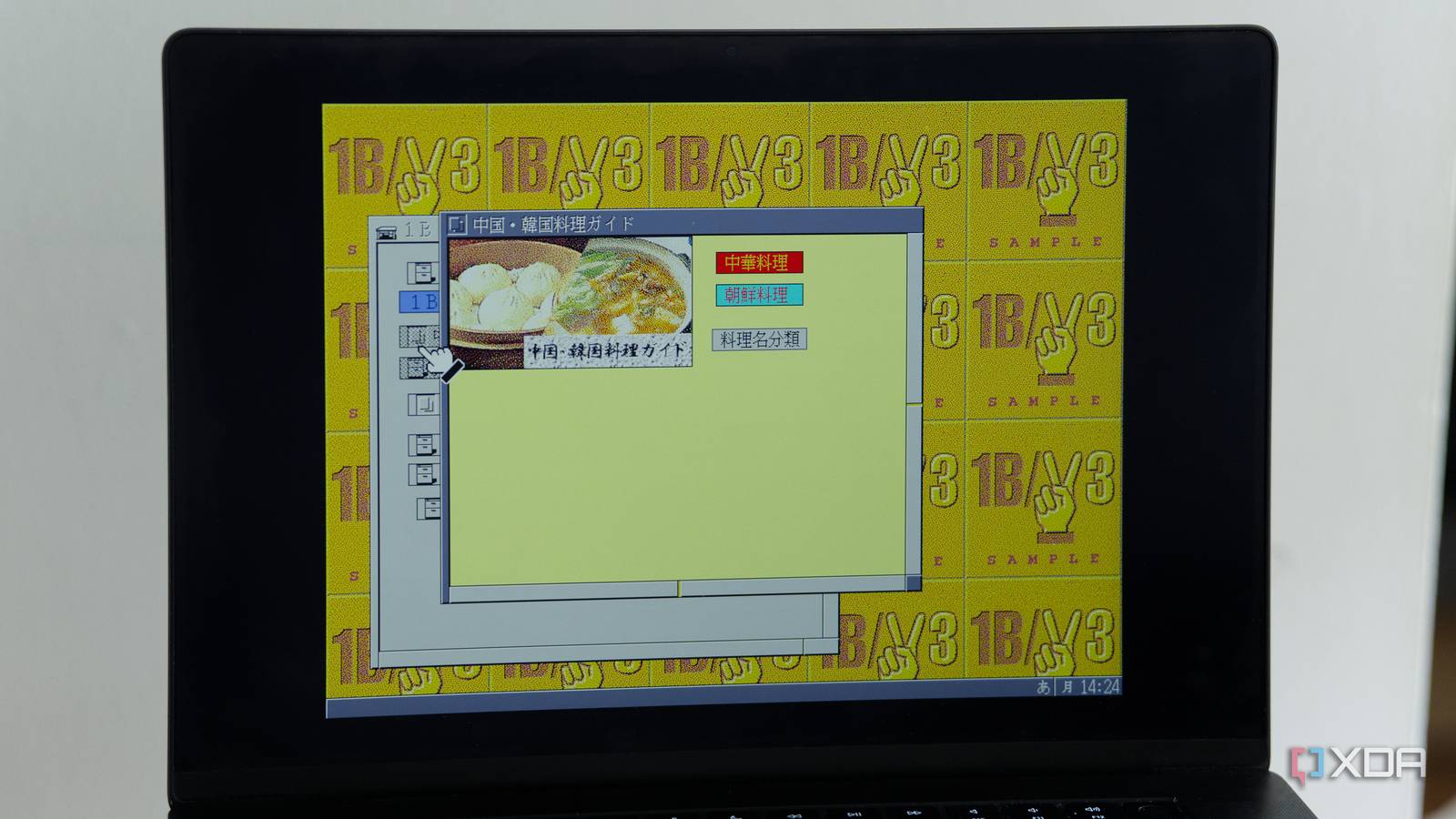
 TRON, a Japanese computing project launched in the 1980s, aimed to create a universal operating system with advanced features like a 1.5 million-character encoding space. Its desktop variant, BTRON, faced challenges including a trade dispute linked to SoftBank founder Masayoshi Son’s lobbying, which contributed to its decline. However, the embedded variant of TRON, ITRON, thrived as a real-time operating system, powering devices like digital cameras, car engines, and mobile phones. Despite its desktop ambitions failing, TRON’s legacy endures through its influence on modern embedded systems and standards like IEEE 2050-2018. The project’s transition from a politically charged desktop initiative to a globally adopted embedded OS highlights its resilience and adaptability in the tech industry.