
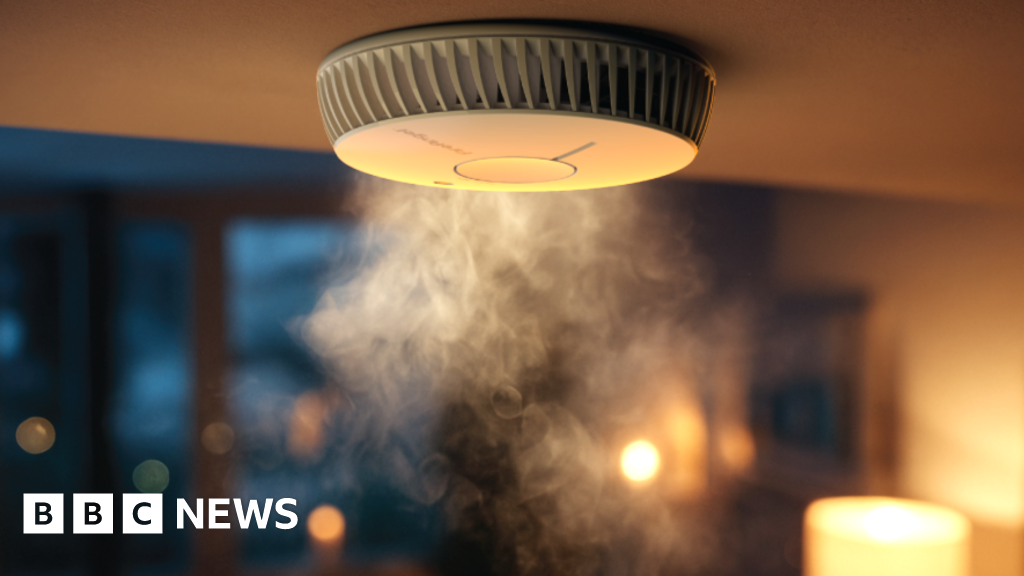
Advances in Smoke Detection: From Classic Alarms to Smart and AI-Based Systems
A fire in Liz McConnell’s home in Dover, caused by a tumble dryer, underlines the lifesaving role of smoke alarms. Her experience highlights how vital these devices remain, even as modern risks evolve. Despite being decades old in concept, most smoke alarm technology still relies on ionisation and optical systems to detect fire. The first uses charged particles disrupted by smoke; the second senses scattered light from larger particles in smouldering fires. Heat sensors, often installed in kitchens, react to rising temperatures but help reduce false alarms. Experts such as Raman Chagger from the Building Research Establishment confirm that these alarms remain reliable, even though test standards date back to the 1980s. However, new challenges, such as lithium-ion battery fires from e-bikes, are difficult to detect because they generate toxic gases before igniting. Researchers are now developing alarms more sensitive to these early signs. Innovation in the sector includes aspirating systems that draw in air to detect smoke earlier—mainly used in commercial or historic properties—and smart connected alarms that notify homeowners via mobile apps. Companies like FireAngel and Kidde are focusing on user-friendly features to reduce false alerts and improve safety monitoring. Future fire detection may use AI technology capable of identifying smoke and flames in video feeds from any camera, even integrated with drones to help locate fires in large or high-rise buildings. Despite these advancements, experts emphasise that having any working smoke alarm remains the most crucial safety measure.