
Breakthrough nanolaser technology may halve computer energy consumption
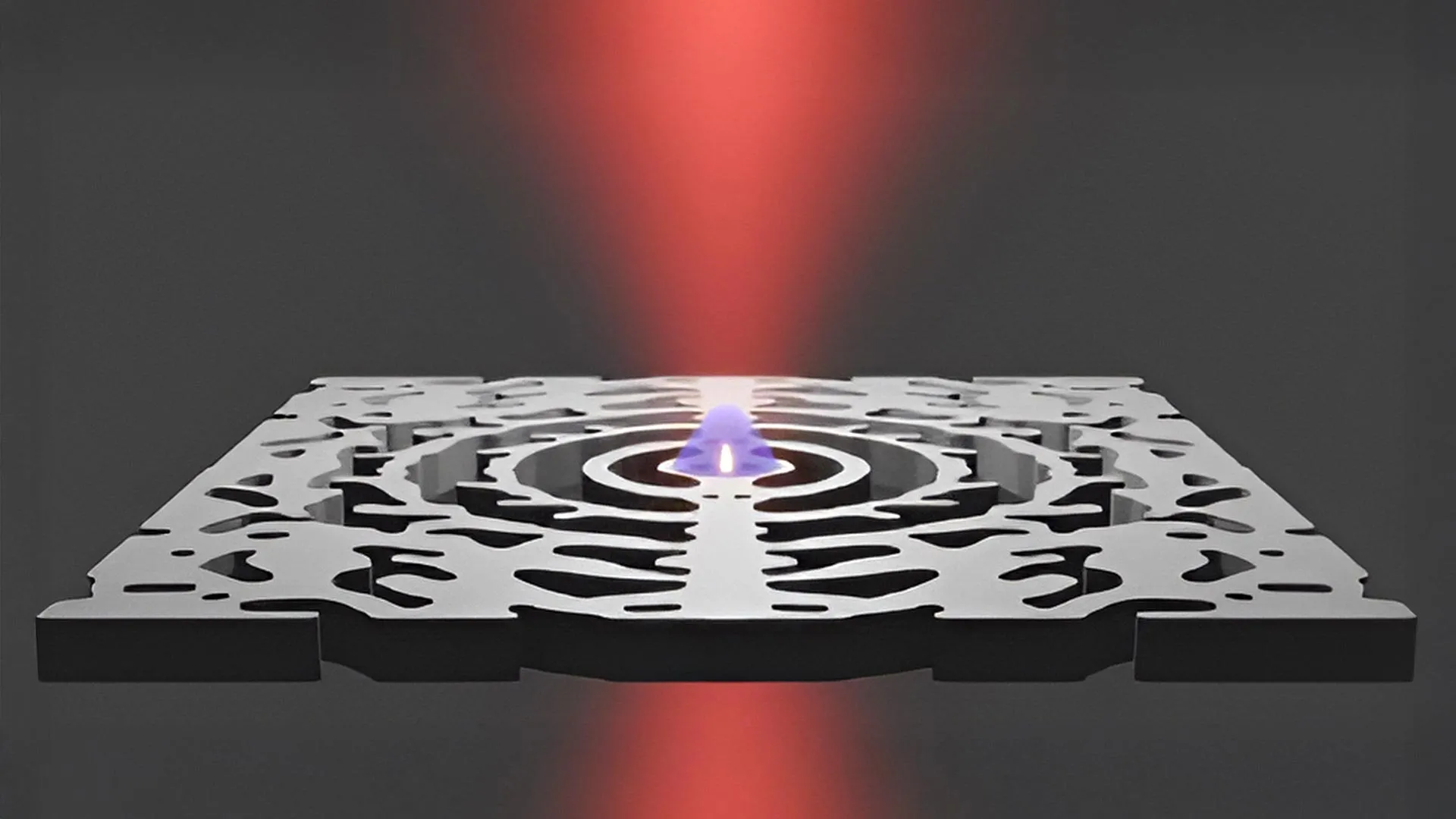
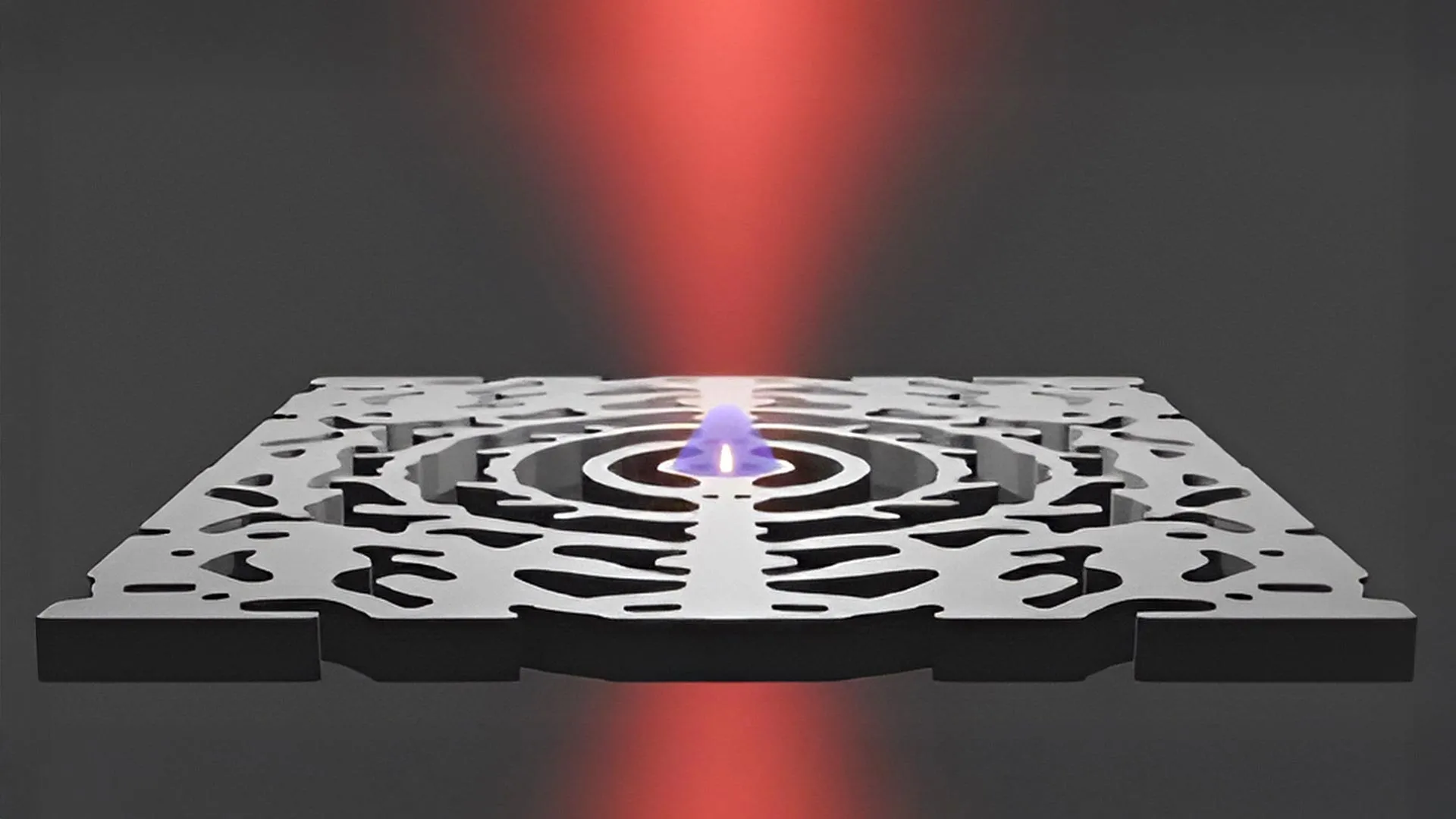 Scientists at the Technical University of Denmark (DTU) have developed an ultra-small nanolaser that could revolutionize computer chip communication by replacing electrical signals with light-based transmission. This innovation, published in Science Advances, has the potential to significantly increase data transfer speeds while reducing energy consumption by approximately 50%. The nanolaser, constructed in a semiconductor membrane, concentrates both light and electrons in a microscopic area, enabling efficient light-based communication within microchips. Researchers estimate that thousands of these nanolasers could be integrated onto a single chip, opening possibilities for more energy-efficient data centers, smartphones, and medical sensors. The technology addresses a key limitation in current computing where data moves through electronic circuits using electricity, which generates heat and limits transfer speed. By using photons instead of electrons, the nanolaser approach could make devices faster, cooler, and more energy-efficient. Professor Jesper Mørk, who co-authored the study, highlighted that this development could lead to new generations of components combining high performance with minimal size, particularly in information technology and healthcare applications. The nanolaser’s extreme light concentration could enable high-resolution imaging and ultrasensitive biosensors. While the current prototype operates with light input, the next major challenge is adapting it to function with electrical power, which would enable broader applications across computing, communications, and healthcare. Researchers estimate that remaining technical challenges could be resolved within 5-10 years. The DTU team’s work represents a significant step toward optical communication directly on microchips, potentially transforming how computers process information and reducing their environmental impact through lower energy consumption.