
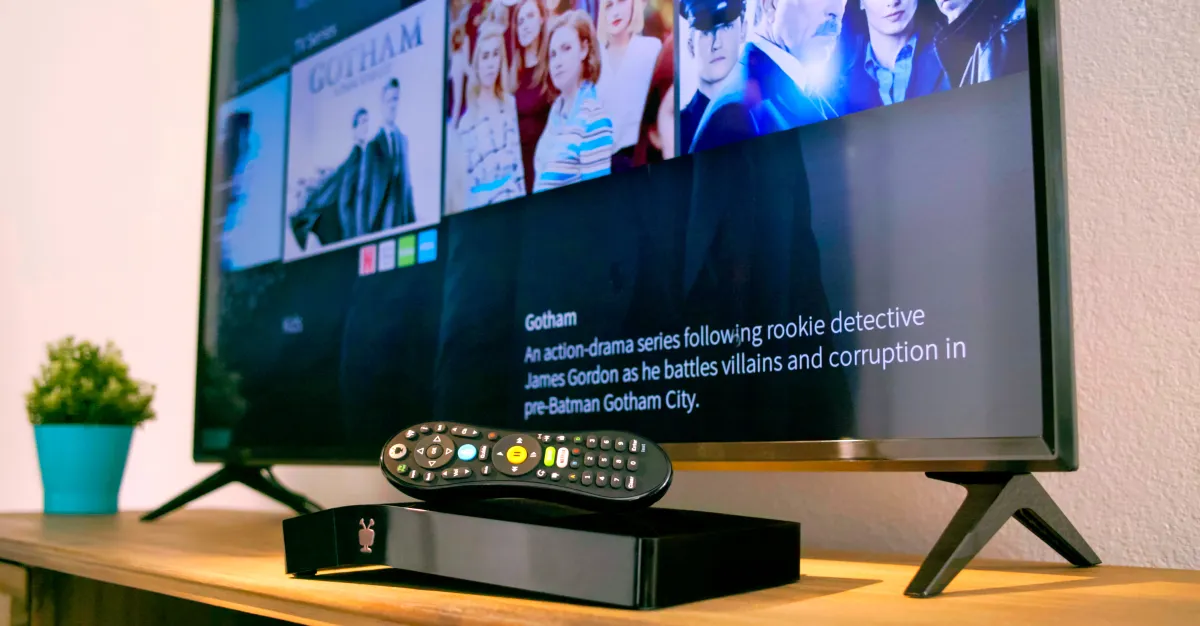
TiVo’s Legal Wins Couldn’t Prevent Its Decline in the TV Market
In the 2000s, TiVo was a pioneering force in digital video recording, popularizing features like pausing live TV and recording multiple shows. Central to TiVo’s dominance was the Time Warp patent (US Patent 6,233,389), which it zealously defended through high-profile lawsuits against companies such as EchoStar, Motorola, and Time Warner Cable, often winning substantial settlements. However, while TiVo fought these legal battles, the TV landscape rapidly evolved. Streaming services like Netflix and Hulu emerged, and smart TVs and affordable set-top streaming devices like Roku and Chromecast grew popular, making traditional DVRs less appealing. TiVo struggled to innovate beyond its hardware and late attempts to integrate streaming features couldn’t keep pace. As pay TV subscriptions declined sharply over the years, TiVo’s reliance on patent licensing became its main revenue source. The company eventually exited the hardware market after being acquired by patent-focused firms, culminating in its withdrawal from producing set-top boxes in 2025. TiVo’s legacy remains in its early innovations and brand recognition, but its focus on legal battles over product development ultimately led to its fading relevance in a streaming-centered era.