
Trump’s Proposed 100% Tariffs on Semiconductor Imports: Implications and Industry Response
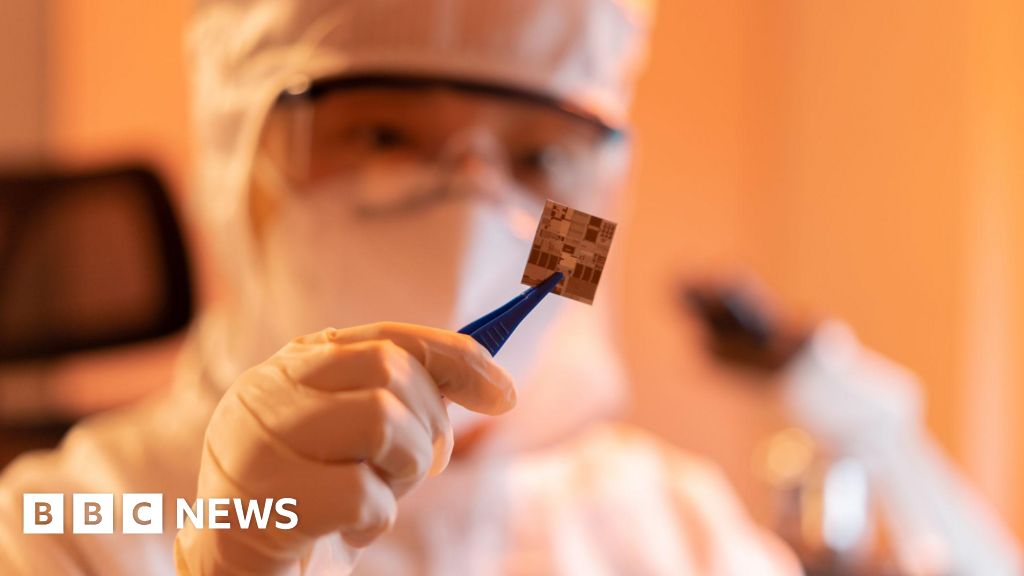
US President Donald Trump has announced plans to impose a 100% tariff on semiconductor imports from foreign countries, aiming to boost domestic manufacturing and address national security concerns. Semiconductors, also known as microchips, are essential components powering devices ranging from smartphones and laptops to medical devices and solar panels. Taiwan is the world’s dominant supplier, led by Taiwan Semiconductor Manufacturing Company (TSMC), which produces over half of the global chip supply. Major players like Samsung and SK Hynix from South Korea also hold key positions in the industry. Trump’s tariff policy could affect global tech supply chains, potentially increasing production costs and causing price rises for electronic products. However, firms investing in US manufacturing, such as Apple, TSMC, Samsung, and SK Hynix, may be exempt from these tariffs. Apple recently announced a $100 billion investment in US facilities to circumvent the tariffs. The US government has also supported domestic production through initiatives like the CHIPS Act, but challenges remain, including skilled labor shortages and the complexity of semiconductor manufacturing. The policy aims to encourage reshoring chip production to the US but may provoke market uncertainties and supply chain adjustments globally.