
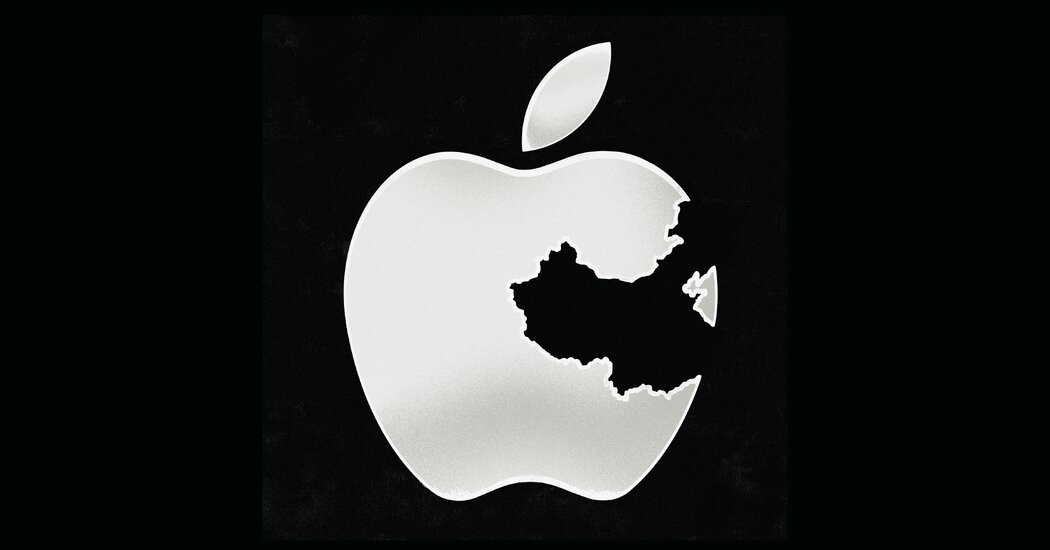
Apple’s Heavy Dependence on China Threatens Its Stability Amid Rising Tariffs
Apple’s deep integration with China’s manufacturing and market systems remains a cornerstone of its global success. Despite political pressure, particularly from former President Donald Trump who pushed for Apple to shift production to the U.S., over 80% of iPhones are still made in China. The company has diversified slightly, moving some operations to India, Vietnam, and Thailand, but a complete move out of China is unlikely in the near future. When Trump recently announced a 145% tariff on Chinese exports, Apple lost $770 billion in market value within days, though the market rebounded partially after a temporary tariff reprieve was granted. This incident highlights the immense vulnerability Apple faces due to its reliance on Chinese supply chains and sales. Analysts expect a modest 4% rise in quarterly sales, attributed to consumers rushing purchases before tariffs took effect. While Apple has pledged to invest $500 billion in the U.S. over four years and begin producing AI servers in Houston by 2026, these steps do little to reduce its current dependence on China. The situation raises concerns over the feasibility and cost of shifting Apple’s core manufacturing operations back to the United States.