
Electric Aviation Faces Major Battery Challenges Despite Progress
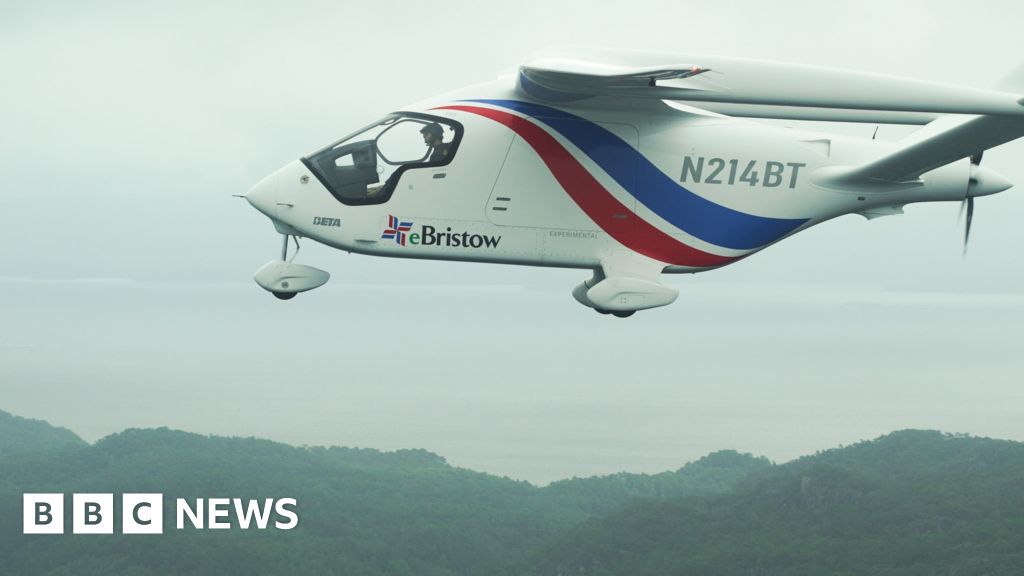
Electric aviation is making strides, with planes like Beta Technologies’ Alia flying up to 400 km on battery power. In a recent test in Norway, the Alia completed a 100-mile flight in 55 minutes, a significant achievement for low-emission aviation. While Alia is designed for cargo, it could eventually be used for passenger or medical transport. However, the current technology for electric flight is limited by the performance of lithium-ion batteries, which have seen little advancement in the past two decades. As a result, many companies are turning to hybrid technologies to extend flight ranges. Heart Aerospace, for example, is developing a hybrid 30-seater plane, capable of flying up to 800 km with 25 passengers. Hybrid planes, which combine electric power with traditional fuels, are seen as a practical step toward greener aviation, allowing for longer flight durations while reducing emissions. While the future of electric aviation is promising, significant challenges remain, especially in battery technology and commercial viability. Other forms of green aviation fuels, such as hydrogen and sustainable aviation fuel (SAF), are also being explored.