
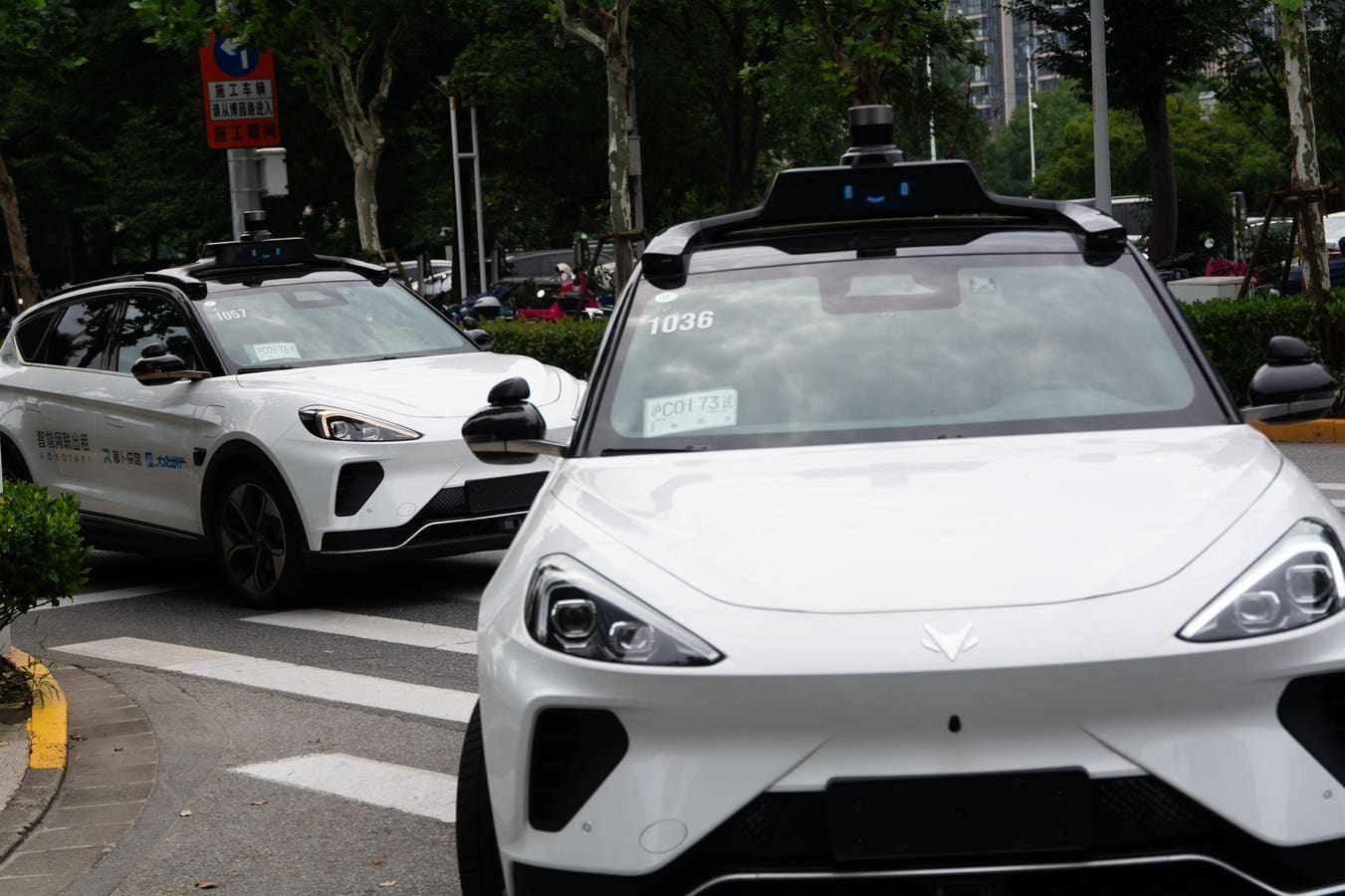
Challenges and Hidden Costs Threaten Scalability of Robotaxi Technology
The article discusses the significant barriers to scaling robotaxi services, despite technological advancements and regulatory momentum. Speaking at the MOVE 2025 conference in London, industry leaders addressed a range of hidden operational costs often overlooked in public narratives. Helen Pan from Baidu emphasized that robotaxis must be cheaper than human drivers to be viable, but noted that costs associated with vehicle hardware, cleaning, maintenance, and remote monitoring remain high. Lukas Neckermann pointed out that many behind-the-scenes roles simply replace the driver’s functions, turning labor into a different form rather than eliminating it. May Mobility’s COO, Kathy Winters, explained their approach to improving the cost-efficiency of remote monitoring, aiming for one monitor per ten vehicles by year’s end. However, many companies have struggled to reduce this ratio. Another major hurdle is adapting AV systems to different cities — what’s called generalisable autonomy. Winters criticized the unsustainable costs of retraining systems for every new location and stressed the need for vehicles to reason through unfamiliar scenarios. Meanwhile, some industry voices argue that autonomy may be more impactful in logistics than ride-hailing, suggesting a pivot toward trucking. Overall, while robotaxi technology is advancing, numerous economic and operational obstacles remain before widespread deployment is realistic.