
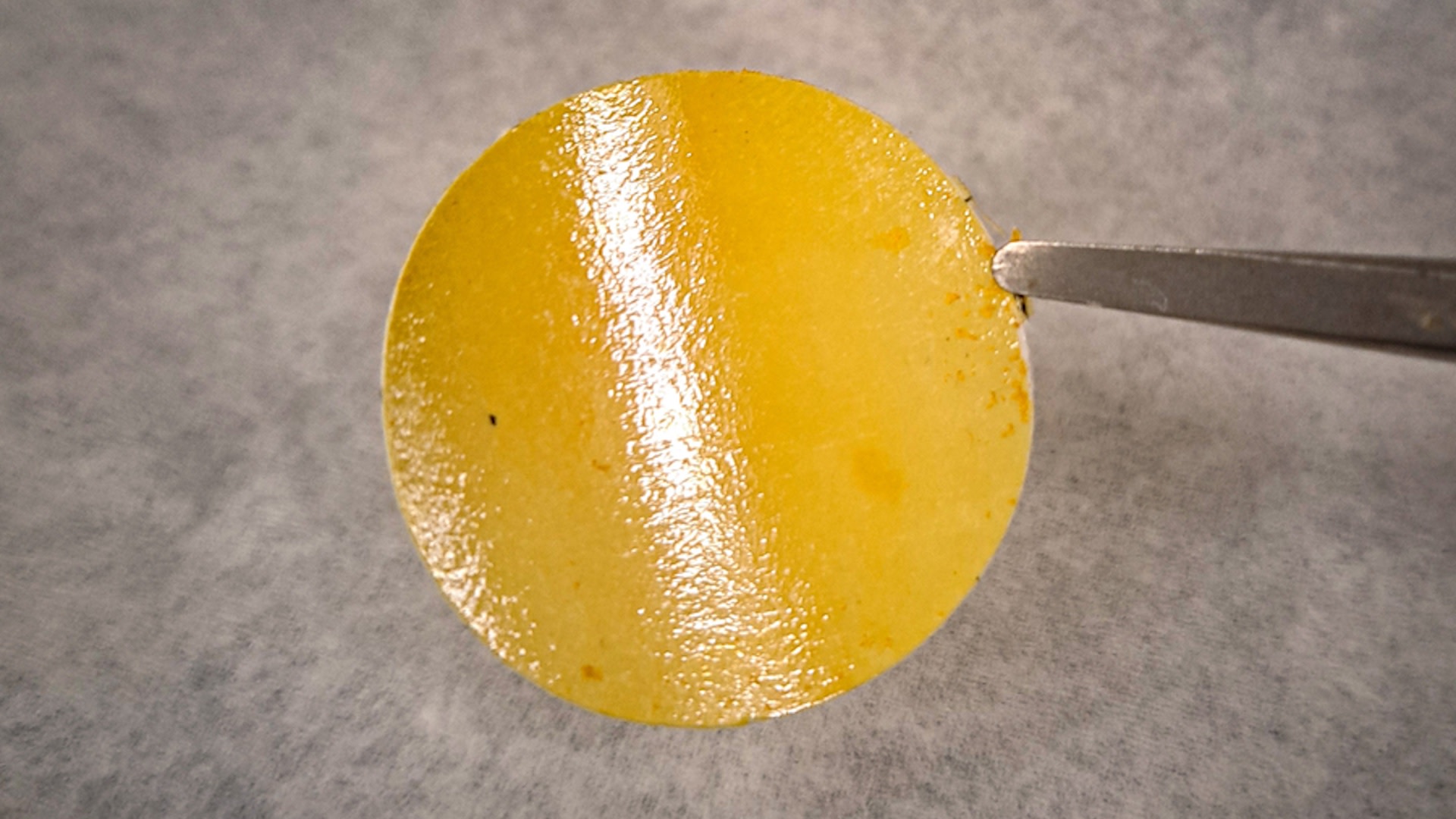
MIT Develops Polymer Membrane to Dramatically Reduce Energy and Emissions in Crude Oil Refining
Researchers at the Massachusetts Institute of Technology have developed a pioneering polymer membrane that could transform the way crude oil is separated into fuels such as gasoline, diesel, and heating oil. Traditionally, oil refineries use energy-intensive distillation processes, which rely on heating crude oil to high temperatures to separate its components by boiling point. This method is responsible for about 1% of global energy consumption and 6% of worldwide carbon dioxide emissions. The MIT team, led by associate professor Zachary P. Smith and postdoc Tae Hoon Lee, has introduced a membrane-based approach inspired by water desalination technology. Their innovation uses a thin polymer film that acts as a molecular sieve, separating hydrocarbons based on their size and shape rather than their boiling point. Unlike previous attempts, which failed due to membrane swelling when exposed to hydrocarbons, the new membrane replaces amide bonds with imide bonds, making it more hydrophobic and stable. This allows hydrocarbons to pass through without degrading the membrane’s performance. The manufacturing technique, interfacial polymerization, is already established in water purification, making the new process potentially scalable for industrial use. If adopted widely, this technology could reduce the carbon footprint of oil refining by up to 90%. Beyond oil, the membrane approach could be adapted to separate other complex organic mixtures, opening new possibilities for chemical processing industries. While a full transition to renewables remains crucial for climate goals, this innovation could significantly improve the efficiency and environmental impact of existing oil infrastructure if commercialized.123456