
New Passive Fiber Membrane Improves Cooling Efficiency in Data Centers
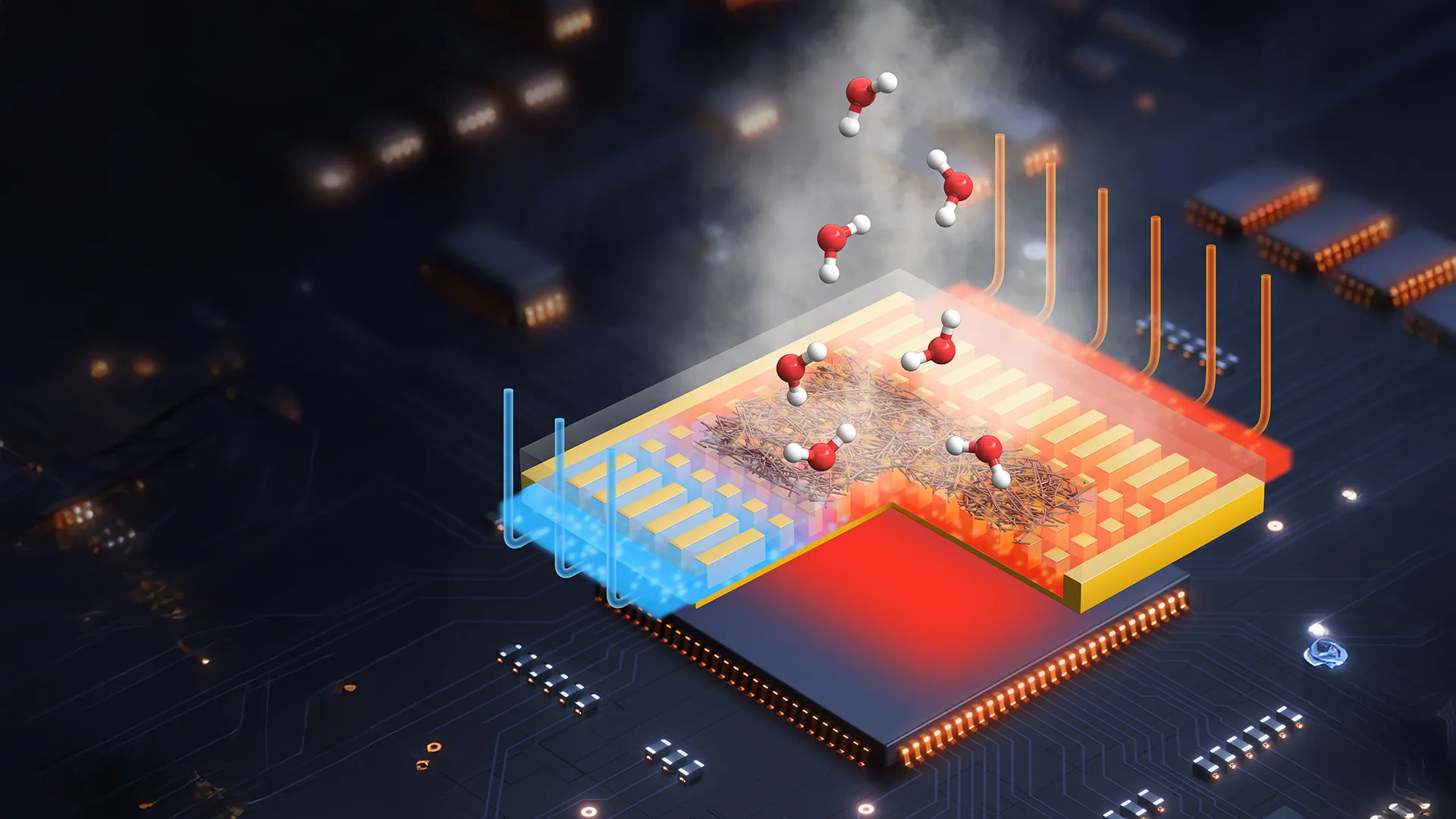
Engineers at the University of California San Diego have developed a novel passive cooling technology that could significantly enhance the energy efficiency of data centers and high-powered electronics. The breakthrough involves a specially engineered fiber membrane that removes heat through evaporation without needing fans or pumps. As data processing demands surge due to AI and cloud computing, this technology offers a low-energy alternative to traditional cooling systems, which currently consume up to 40% of a data center’s energy.
The fiber membrane leverages capillary action to draw cooling liquid across its porous surface, evaporating it to dissipate heat efficiently. Unlike previous porous membrane attempts that faced clogging or boiling issues, this design uses optimized pore sizes and interconnected channels, resulting in record-breaking performance—handling over 800 watts of heat per square centimeter. The membrane also demonstrated long-term operational stability.
Originally designed for filtration, the material’s repurposed use in thermal management marks an innovative leap. Researchers are now working on refining the membrane and integrating it into cold plate prototypes for electronics. Backed by the National Science Foundation, the team has also filed a patent and is pursuing commercialization through a new startup.