
The Growing Online Spread and Risks of 3D-Printed Firearms
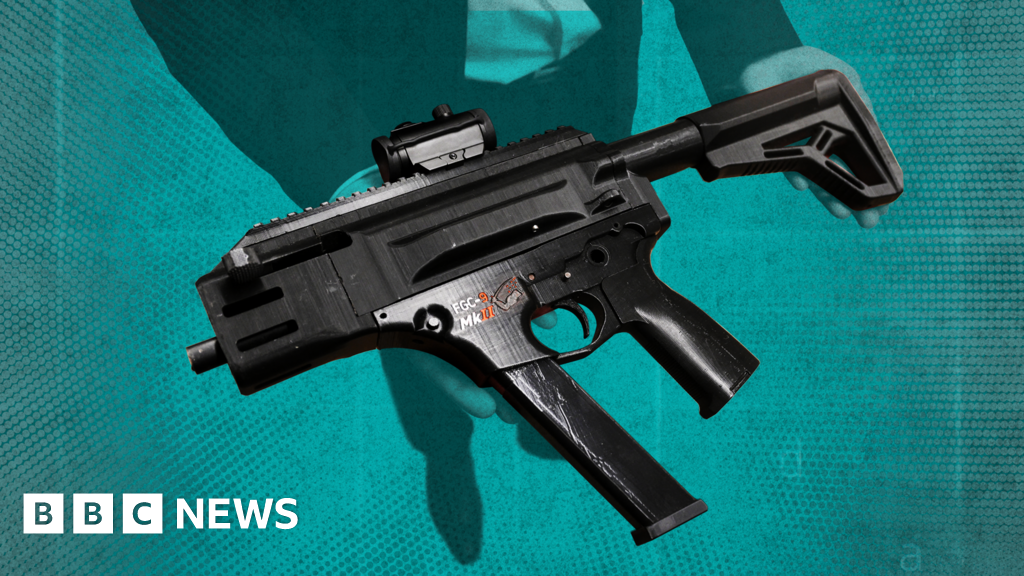
3D-printed guns, often called ‘ghost’ guns due to their untraceable nature, are increasingly being shared and sold online through social media platforms like Telegram, Facebook, and Instagram. These firearms can be produced using 3D printers, downloadable blueprints, and basic materials, bypassing traditional gun control measures. Experts warn that these DIY weapons could become the preferred choice for criminals and extremists worldwide, as advances in technology have made the materials more durable and accessible at lower costs. Investigations revealed that gun advertisements, including for 3D-printed guns, persist on Meta’s platforms despite policy bans, with sales often directed through encrypted messaging apps. Some sellers openly offer to ship weapons illegally, demonstrating significant enforcement gaps. Beyond purchasing, individuals can also manufacture their own guns using online guides and blueprints, further complicating regulation efforts. The FGC-9 model, for example, is designed without the need for commercial gun parts and has been used in conflict zones like Myanmar, though its military effectiveness remains limited. Governments are exploring legislation to criminalize possession of 3D gun blueprints and urging printer manufacturers to block gun part printing. However, the effectiveness of these measures is uncertain, as the technology and online networks continue to evolve rapidly.