
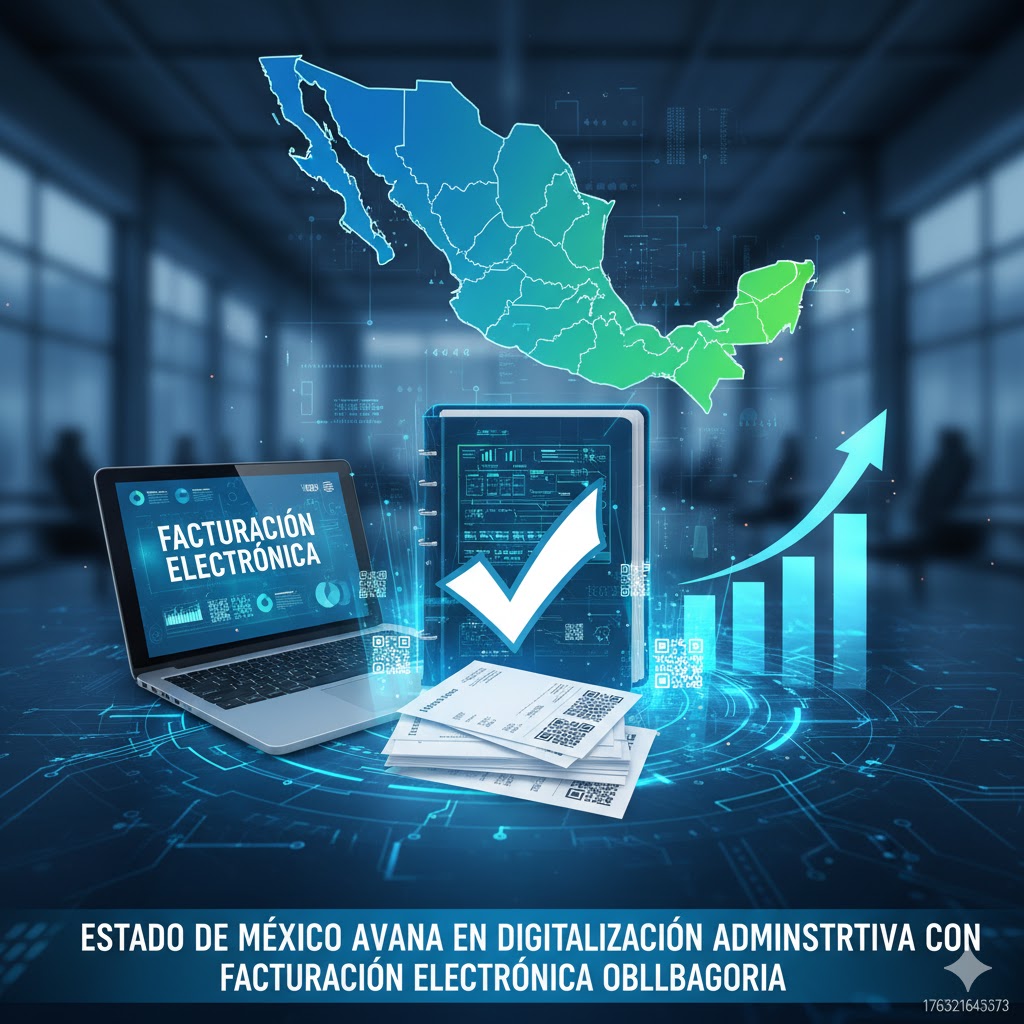
State of Mexico standardizes electronic invoicing for administrative digitization
The State of Mexico published an agreement through its Government Gazette that pushes for modernization by mandating electronic invoicing in government postal services. The pact, between the Secretariat of Mobility and Sepomex, eliminates paper documentation and designates CFDIs (Comprobantes Fiscales Digitales por Internet) in XML and PDF formats delivered by email as the sole official tax documents. This move aligns with constitutional principles of efficiency, transparency, and integrity, while reducing costs, preventing document loss, and facilitating audits. The Secretariat of Mobility allocates 2 million pesos to postal services aimed at digitally delivering driver’s licenses across the state, simplifying processes that were previously paper-heavy. The agreement sets clear controls, including a five-day window for the Secretariat to review and contest CFDI information; if no objection is raised within this period, the invoice becomes valid. Administrative staff must relay payment and invoice information to Sepomex via email to ensure traceability and transparency. Sepomex commits to delivering letters and licenses with acknowledgment of receipt in 125 municipalities, employing multiple doorstep attempts and procedures to notify and return unclaimed shipments. Electronic invoicing enables real-time monitoring of expenses, volumes, and delivery times, optimizing state postal management. fiscally, payments must be completed within 45 business days via bank transfer, with no cash or checks. Maintaining updated tax data is mandatory to ensure CFDIs are valid before the SAT, avoiding fiscal issues. This agreement demonstrates a tangible, practical push toward digital administration in the State of Mexico, not just aspirational goals, and sets a standard that encourages agencies, vendors, and citizens to develop digital capabilities, driving a solid and sustainable transformation. With a population around 16 million, the state represents a large subnational economy and could serve as a model for others by sharing processes, solutions, and regulations toward a paperless government. The initiative aligns with digital-government leaders like Estonia and Singapore, which operate with 100% digital documentation, delivering greater efficiency and a better citizen experience. Mexico adapts this transformation to its institutional and cultural context, advancing toward digital public administration.