
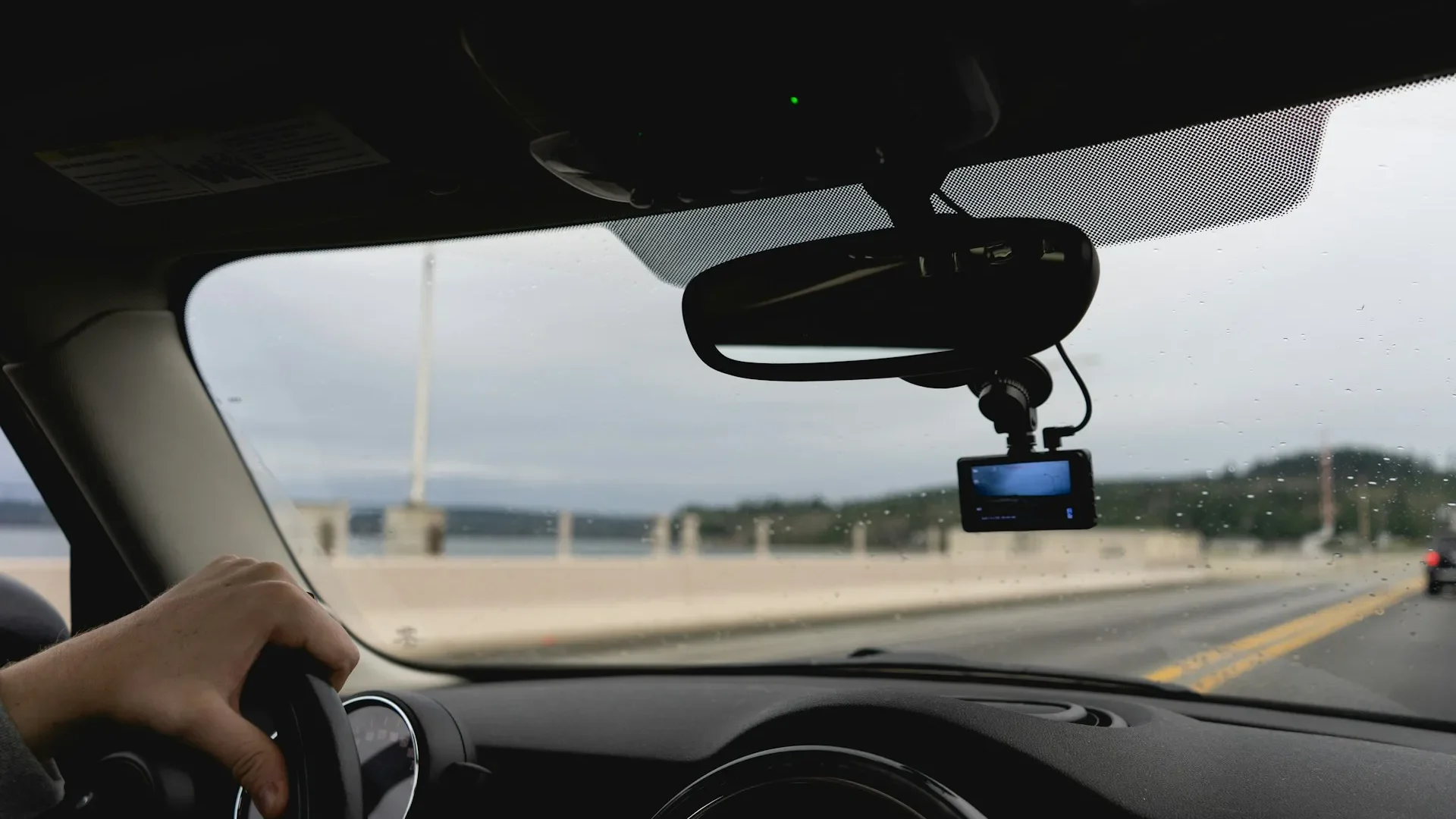
How Dashboard Cameras Provide Safety, Evidence, and Convenience for Families
The article explores the growing reasons families are installing dashboard cameras in their vehicles for everyday use. It explains that modern driving often involves unpredictable situations, from sudden lane changes and confusing intersections to parking lot damage and shared vehicle use among family members. In such cases, dash cams offer an objective video record that can clarify events when memories differ.
Using the Vantrue N4 as an example of a three-channel camera system, the article outlines common features found in many dash cams, including loop recording, G-sensors that lock footage during impacts, and parking modes that continue monitoring while the vehicle is off. Families are encouraged to evaluate their specific needs—such as front, rear, or cabin coverage—while also considering privacy concerns and local regulations.
Video quality is emphasized as an important factor, but proper installation and maintenance are equally critical. Mounting position, windshield cleanliness, and reviewing both daytime and nighttime footage help ensure usable recordings. Wider-angle and multi-channel cameras provide additional context in rear-end collisions or shared-vehicle scenarios.
The article also discusses parking mode options, such as motion detection, impact detection, and time-lapse recording, and highlights the importance of reliable power solutions. Hardwire kits with low-voltage cutoffs help protect a vehicle’s battery. Storage considerations are addressed as well, recommending high-endurance microSD cards and routine checks for file integrity.
Ultimately, the piece advises families to prioritize clear video quality, sensible power safeguards, and ease of daily use when comparing models, ensuring their dash cam setup supports safety, accountability, and convenience.