
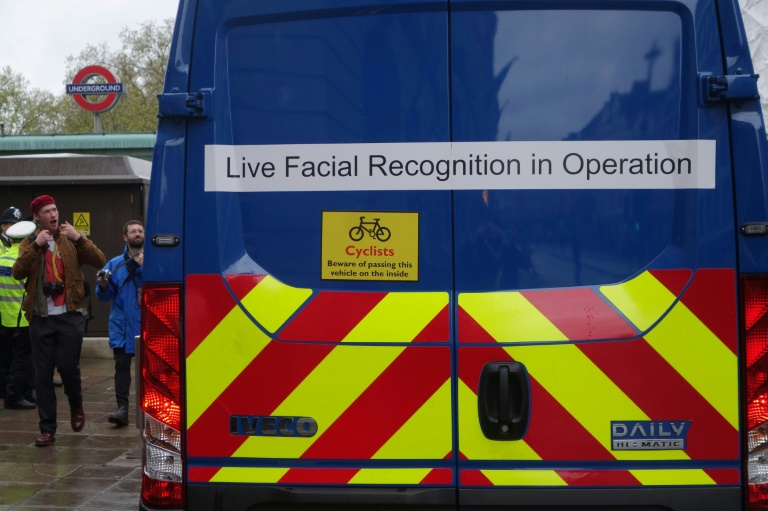
UK Expands Real-Time Facial Recognition Technology Amid Human Rights Concerns
The United Kingdom has significantly expanded the use of real-time facial recognition technology, deploying cameras in public spaces such as festivals, sports events, and retail stores. At events like the Notting Hill Carnival, which attracts millions, police use the system to identify individuals on watchlists, aiming to prevent crime and apprehend suspects. Since its initial testing in 2016, usage has increased sharply, with nearly 4.7 million faces scanned in 2024 alone. Police say the technology has been effective, contributing to over 1,000 arrests since 2024. However, human rights groups and privacy advocates warn that this mass surveillance treats citizens like suspects and lacks adequate legislative safeguards. Retailers also use similar systems to prevent shoplifting, often without informing the public. Critics argue this can impact personal anonymity, civil liberties, and participation in public life. The EU has banned real-time facial recognition, citing privacy risks, with exceptions only for counterterrorism. In the UK, authorities plan to draft legal frameworks but continue expanding the technology to new regions. Concerns about racial bias in AI and wrongful arrests have been raised, highlighting the tension between public safety and privacy rights.